




















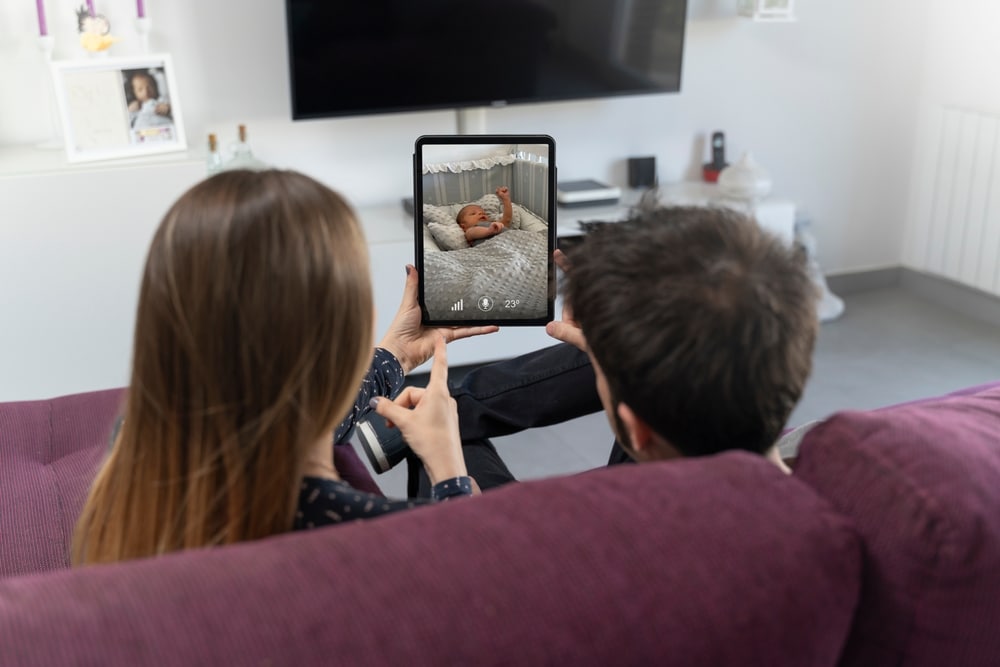
In the modern nursery, the Wi-Fi baby monitor has shifted from a luxury to a staple. These devices promise a seamless blend of high-tech surveillance and parental peace of mind, allowing you to check in on your sleeping infant from the kitchen or even while working late at the office. With features like two-way talk, high-definition night vision, and motion alerts, it feels like the ultimate tool for a connected parent.
However, the very connectivity that makes these monitors convenient also presents a significant digital doorway into your home. While the visual and audio reassurance is invaluable, a recent viral story from a parent on Reddit serves as a chilling reminder that “smart” technology requires smart security practices. What was meant to be a comfort quickly transformed into a frightening breach of privacy.
How a Comfort Quickly Turned Creepy
The unsettling reality of monitor hacking was brought to light by a user named Limited_two in the r/NewParents community. They described the experience of using a high-end Wi-Fi monitor that tracked sleep patterns and movement—a tool they initially found incredibly helpful. Because the system was entirely app-based, it felt modern and accessible.
The situation took a dark turn when the parent, after putting their baby down, tuned into the audio feed to comfort their crying child. Instead of the silence of the nursery, they heard a clear, female voice say, “Hello?”
After confirming with their spouse that no one else was in the room or using the app, the parent rushed back to the nursery. As they opened the door, they heard the same stranger’s voice speaking through the monitor’s speakers, saying, “Hi baby! It’s OK!” The parent immediately disconnected the device. The most disturbing realization followed: the woman had likely been watching and speaking to the infant for several days, as family members had previously heard muffled voices they assumed were coming from a nearby television.
The incident sparked an immediate discussion among other parents, many of whom shared their own hesitations regarding internet-connected cameras. The consensus among the community was clear: while the technology is impressive, the psychological toll of a security breach is immense.
How This Can Happen
Cybersecurity experts explain that these incidents are rarely the result of sophisticated “movie-style” hacking. Instead, they often stem from simple security gaps that parents may not even realize exist. Titania Jordan, the Chief Parent Officer at Bark Technologies, points out that the features designed for parental convenience are often the same ones exploited by unauthorized users.
According to Jordan and other safety experts, several factors contribute to these vulnerabilities:
- Default Credentials: Many parents leave the factory-set username and password (like “admin” and “password”) unchanged, making it easy for hackers to gain access.
- Network Weakness: If your home Wi-Fi router is old or uses outdated encryption, it acts as a weak link in your home’s digital armor.
- Lack of Software Updates: Manufacturers frequently release “patches” to fix security holes. If a parent doesn’t update the monitor’s firmware or the smartphone app, the device remains vulnerable.
- Password Reuse: Using the same password for your baby monitor app as you do for other leaked accounts allows hackers to use “credential stuffing” to log in.
Research from Consumer Reports has consistently shown that many baby monitors lack the robust security found in professional-grade wireless security cameras. Even top-rated models often struggle to provide the level of privacy that parents expect.
Baby Monitor Safety Tips
Protecting your nursery doesn’t necessarily mean throwing away your tech, but it does require a proactive approach to digital safety.
Combing through customer reviews
Before buying, look beyond the 5-star ratings for video quality. Experts suggest searching reviews for keywords like “security,” “privacy,” or “hacking.” Reputable brands that have a history of quickly addressing security flaws are generally safer bets than “no-name” budget cameras found on massive online marketplaces.
Going with a local video monitor
If you don’t actually need to see your baby while you are away from home, consider a non-Wi-Fi monitor. These devices use FHSS (Frequency Hopping Spread Spectrum) technology to send a signal directly from the camera to the handheld parent unit without ever touching the internet. This effectively closes the door on remote hackers. Models like the Eufy Spaceview are frequently cited as excellent local-only options.
Using strong, unique passwords and home network security
If you choose a Wi-Fi model, the first thing you should do upon unboxing is change the default login credentials. Create a long, complex password and enable Two-Factor Authentication (2FA) if the app allows it. Additionally, ensure your home router is using WPA2 or WPA3 encryption to keep your entire network secure.
What To Do if Your Wi-Fi Baby Monitor Is Hacked
If you ever notice the camera moving on its own, hear strange voices, or see odd login activity, immediate action is required. Danny Jenkins, CEO of ThreatLocker, advises that the very first step is to cut the power to the device.
If a breach is suspected, follow these steps:
- Unplug the device and perform a full factory reset.
- Change your Wi-Fi password and the passwords for any linked accounts.
- Uninstall the app and check for any unauthorized devices logged into your account.
- Contact the manufacturer to report the flaw and see if a firmware fix is available.
- Report the incident to the Cybersecurity & Infrastructure Security Agency (CISA) to help track and prevent similar issues for other families.
While technology offers incredible ways to keep our children safe, our role as parents now includes being the “IT department” for our homes. By staying informed and prioritizing digital privacy, we can enjoy the benefits of smart nursery tools without compromising our family’s security. Awareness is the first step in ensuring that the voices our children hear through their monitors are only the ones we intended.