




















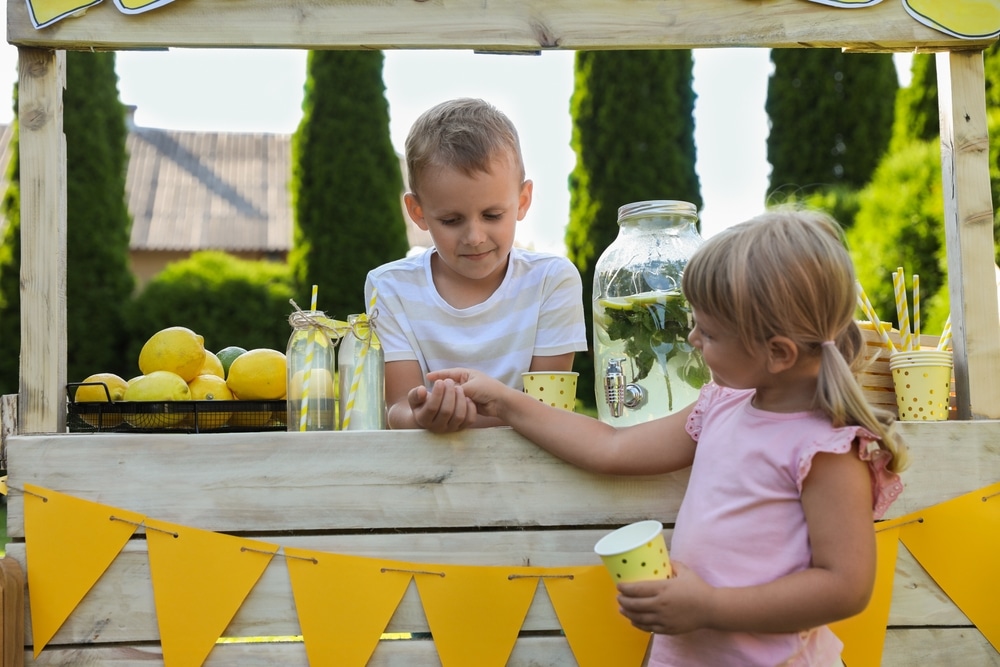
Introducing the concept of earning money to young children is about more than just currency; it is a foundational step in building a robust work ethic. When children understand the connection between effort and reward early on—whether through household contributions, small-scale entrepreneurship, or formal part-time jobs—they develop a sense of agency that lasts a lifetime. Sometimes, the most profound lessons don’t come from a textbook but from a simple afternoon spent behind a card table in the driveway. Here is how a spontaneous lemonade stand became a masterclass in business for two toddlers, ages 2 and 4.
The Lemonade Stand Idea: Inspiration Strikes
The spark for this venture came during one of our typical family weekend traditions: hiking local trails with our dogs. As we wound through various neighborhoods, my daughters began noticing other children running their own sidewalk businesses. The sight of hand-painted signs and the promise of a cold drink fascinated them. By the time we returned home one Sunday, their minds were made up—they wanted to be the ones behind the table.
As a parent, I wanted to lean into their excitement without over-complicating it. We pulled together what we had: a batch of fresh lemonade, a makeshift sign, and leftover unicorn-themed cups from a previous birthday party. To ensure they had an audience, I sent a quick “heads-up” text to the local mom group. This highlights a key insight for parents: success in these early ventures often relies on community support. Watching neighbors show up to cheer on two tiny entrepreneurs was a reminder of how supportive environments help foster a child’s confidence.
Earning Through Fun: The Value of Hard Work
There is a unique pride that lights up a child’s face when they trade a service for a physical reward. My daughters weren’t just pouring juice; they were learning the mechanics of a transaction. My 4-year-old intuitively understood the “marketing” side of the business, waving enthusiastically at neighbors returning from the local pool and shouting invitations to visit the stand.
This experience taught them that work isn’t a chore to be dreaded, but an engaging activity that yields results. By involving them in every step—from stirring the pitcher to handing over the change—they began to associate effort with a sense of accomplishment. When children are young, the “fun” element is the hook that keeps them engaged long enough for the deeper lesson of responsibility to take root.
Saving and Delayed Gratification
After the last cup was sold, we moved to the kitchen table for the most anticipated part: counting the “revenue.” The girls carefully tucked their coins and bills into a sparkly purple pouch. However, the real lesson began *after* the money was earned. While they were eager to spend it immediately, they couldn’t agree on what to buy.
This conflict provided a perfect opening to discuss delayed gratification. Instead of rushing to the store, we are using this time to talk about thoughtful decision-making. Saving money teaches children patience and the ability to weigh “wants” versus “needs.” It also introduces the concept of compromise, as they must now navigate their first business partnership to decide how their shared earnings will be used. For parents, this “waiting period” is often more educational than the earning phase itself.
Fostering Work Ethic: More Ideas for Earning Money
The lemonade stand was a fantastic entry point, but there are numerous ways to keep this momentum going as children grow. If you are looking to nurture an enterprising spirit in your household, consider these avenues:
- Age-Appropriate Chores: Assigning tasks like tidying a playroom or assisting with meal prep helps kids feel like valuable contributors. For example, my older daughter helps her father prepare hard-boiled eggs for the week. It’s a simple task, but it makes her feel essential to our morning routine, and it teaches her that her labor has a direct, positive impact on the family.
- Creative Entrepreneurship: Beyond refreshments, kids can explore selling handmade crafts, like beaded jewelry, or organizing a “mini” yard sale for toys they no longer use. These activities teach them about inventory, pricing, and presentation.
- Community Service and Part-Time Work: As children mature, looking to the neighborhood for opportunities—such as pet-sitting, car washing, or light yard work—builds independence. We recently watched our neighbors’ four children help remove dead trees from a yard; seeing other kids work hard and take responsibility serves as powerful peer inspiration for my daughters.
The Joy of Learning Through Experience
That sunny Sunday afternoon was about much more than selling lemonade. It was the first time my daughters felt the weight of a coin earned through their own persistence. It introduced them to the concepts of marketing, customer service, and financial stewardship, all while they were still in the toddler phase. While we are still navigating the “negotiation” phase of how to spend that purple pouch of money, the foundation has been laid.
Teaching children about money doesn’t require a complex curriculum. It requires giving them the space to try, the tools to succeed, and the guidance to understand the value of what they’ve achieved. By turning work into a tangible, rewarding experience, we set our children on a path toward financial confidence and a lifelong appreciation for the rewards of a job well done.