


















For many parents navigating the world of natural wellness, returning to traditional skincare feels like a homecoming. We spend so much time scrutinizing the labels on our children’s snacks, yet the ingredients in our family’s lotions often go overlooked. Lately, I’ve been diving deep into the benefits of animal-based fats for skin health, and the feedback from other parents has been incredible. My original whipped tallow recipe is a staple in many households, but the most frequent request I receive is how to effectively incorporate the healing power of honey. This Honey Tallow Balm is the answer—a nutrient-dense, blemish-clearing formula that respects the skin’s natural biology.
Modern skincare often relies on aggressive chemicals to “fix” breakouts, which frequently results in a damaged skin barrier and more irritation. By leaning on ingredients used by our ancestors, we can support the skin’s ability to heal itself. This recipe isn’t just about moisture; it’s about providing the building blocks for healthy, resilient skin.
Honey Tallow Balm Ingredients
The beauty of this balm lies in its synergy. Each component is chosen not just for its individual properties, but for how it works in tandem with the others to nourish the skin barrier. This is a “living” skincare product that feeds your face rather than just coating it in a film of wax or silicone.
Tallow
The foundation of this recipe is grass-fed beef tallow. While it might sound unconventional to those used to store-bought creams, tallow is remarkably compatible with human skin. It contains a fat profile nearly identical to our own sebum, making it highly “bio-available.” This allows the tallow to penetrate deep into the dermis to deliver fat-soluble vitamins like A, D, E, and K, which are essential for skin regeneration and maintaining a healthy moisture barrier.
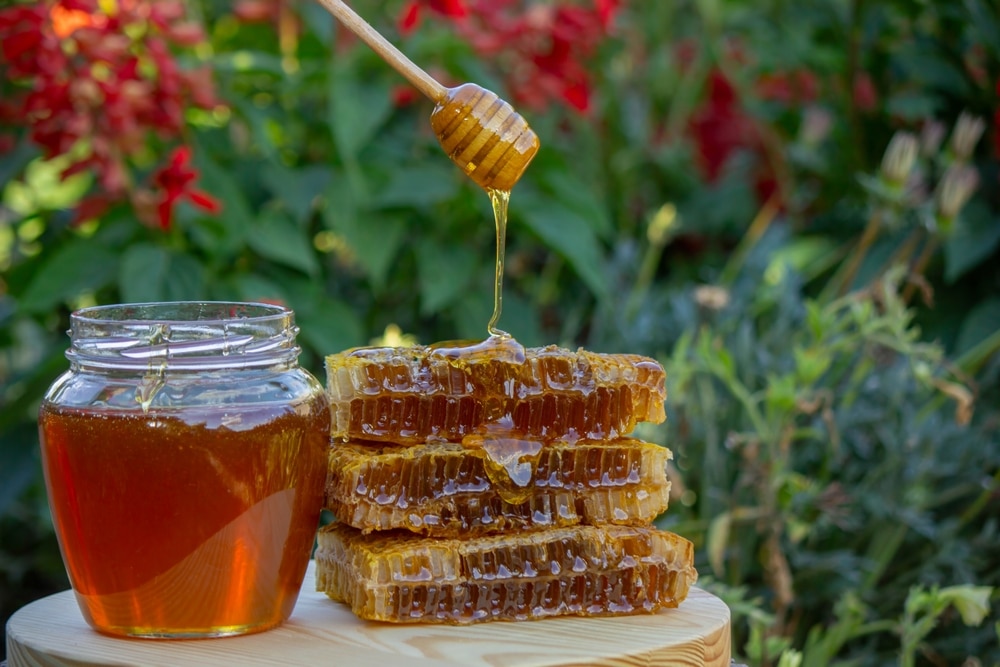
Raw Honey
Honey is a legendary humectant, meaning it draws moisture from the air into your skin. In this balm, raw honey acts as a gentle antimicrobial agent. Because it contains live enzymes and antioxidants, it is particularly effective for those struggling with hormonal breakouts or minor skin irritations. It helps to keep the skin hydrated and plump while creating an environment where “bad” bacteria struggle to thrive.
Beeswax
Unlike petroleum-based occlusives that can trap heat and clog pores, beeswax provides a breathable shield. It gives the balm its structure and ensures that the moisture from the honey and tallow stays locked in. For parents, this is a great alternative to commercial “healing ointments,” as it protects the skin from environmental stressors without preventing it from “breathing.”
Tamanu Oil
While many of my recipes call for olive oil, I’ve swapped it here for tamanu oil, often called “green gold.” Tamanu is a powerhouse for skin recovery. It is widely recognized for its ability to promote cicatrized (scar-healing) properties, making it the perfect addition for anyone looking to fade the marks left behind by acne or to soothe inflamed, red patches of skin.
Essential Oils
Customizing your balm with essential oils adds both therapeutic benefits and a pleasant aroma. For those focused on blemish control, tea tree oil is a classic choice due to its purifying nature. If you’re looking for a more uplifting or skin-smoothing effect, sweet orange, frankincense, or lavender are excellent choices. Remember, when making products for children, always ensure the dilution is age-appropriate.
Benefits of Honey Tallow Balm
The primary benefit of this balm is its ability to restore the skin barrier. Many of us—parents and teenagers alike—have accidentally stripped our skin through over-washing or using harsh exfoliants. When that barrier is broken, skin becomes reactive, dry, and prone to “maskne” or traditional breakouts.
By using a tallow-honey combination, you are providing the skin with the lipids it needs to seal itself back up. It’s an all-in-one solution: it soothes the redness of a current blemish, provides the hydration needed for fine lines, and offers the protective layer required for sensitive skin. It’s a versatile tool for any family’s natural medicine cabinet.
How to Use Honey Tallow Balm
Because this balm is incredibly concentrated and lacks the water-fillers found in commercial lotions, a pea-sized amount is usually enough for the entire face. I find it works best when applied to slightly damp skin—perhaps right after a warm shower or after applying a natural toner.
Warm the balm between your fingertips to melt the beeswax and tallow, then gently press it into the skin. It can be used as a nightly moisturizer, a spot treatment for dry patches, or even a protective barrier for children’s cheeks during cold, windy weather. If your skin feels heavy or greasy after five minutes, you likely used a bit too much; simply blot with a soft cloth and adjust the amount next time.
How To Render Tallow and FAQ
If you are starting with raw suet from a local butcher, rendering is the first step. Proper rendering ensures the tallow is odorless and shelf-stable. For those new to the process, focus on a “wet render” method with salt to help remove the “beefy” scent, resulting in a clean, white fat that is perfect for cosmetic use.
The Honey Tallow Balm Recipe
This simple, DIY approach ensures you know exactly what is touching your skin. It takes about 30 minutes of active time but provides months of high-quality nourishment.
- Yield: 5 ounces
- Prep time: 3 minutes
- Active time: 13 minutes
- Cooling time: 15 minutes
Instructions:
- Combine your grass-fed tallow and beeswax in a double boiler. Melt them together over low heat until fully liquefied.
- Once melted, remove from heat and stir in the tamanu oil (or your preferred carrier oil), your choice of essential oils, and the raw honey. Stir vigorously to incorporate the honey.
- Pour the mixture into a glass mixing bowl. Place it in the refrigerator until it begins to solidify but remains soft enough to indent with a finger.
- Using a hand mixer or stand mixer, whip the mixture on high until it reaches a light, airy, “frosted” consistency. This makes the balm much easier to apply.
- Transfer the whipped balm into clean glass jars and seal tightly.
Pro Tip: Honey can sometimes settle at the bottom as the balm cools. If you notice separation, give it another quick whip once it has cooled slightly more to ensure the honey is suspended evenly throughout the fats.
A Simple Approach to Skincare
In a world of 10-step skincare routines and “miracle” synthetic serums, there is profound power in simplicity. By choosing ingredients that the body recognizes, we reduce the toxic load on our systems and support our skin’s natural rhythm. This Honey Tallow Balm is a testament to the fact that the best solutions are often the ones that have been around the longest. Whether you’re treating your own skin or helping a child with a dry patch, this balm offers a clean, effective way to glow from the outside in. Give it a try and see how your skin responds to the richness of nature!