




















As parents, we are often hyper-focused on what our children eat and how much they sleep, but we rarely consider the biological “food” they consume through their eyes and skin. Light is more than just a way to see our surroundings; it is a powerful signaling molecule that dictates our hormonal health, energy levels, and cellular function. Integrating intentional light exposure into a family routine is one of the most cost-effective and transformative wellness strategies available. By understanding how different wavelengths affect the body, we can move from accidental light exposure to a purposeful practice that supports the whole family’s well-being.
The Benefits of Sunlight
Natural sunlight is the primary source of life on earth, and our bodies are designed to thrive under its full spectrum. When we allow sunlight to hit our skin and enter our eyes, it triggers the synthesis of Vitamin D—which functions more like a hormone than a vitamin—supporting bone density, immune resilience, and mood regulation. In the modern era, however, we are facing a “nature deficit.” With many children spending less than ten minutes a day outdoors, we are seeing an uptick in issues ranging from myopia to seasonal affective disorder. Prioritizing even short bursts of outdoor play can recalibrate a child’s internal systems, providing a foundation for health that artificial environments simply cannot replicate.
Morning Light Benefits
The quality of light changes throughout the day, and the light found at sunrise is uniquely restorative. Morning sun is rich in near-infrared and red wavelengths, which prepare the skin for the more intense UV rays later in the day. For parents struggling with fatigue or children who have trouble waking up, early morning light exposure is a game-changer. It serves as a biological “reset” button. By stepping outside within the first hour of waking, you signal to your brain that the day has begun, which helps suppress melatonin and boost serotonin, leading to better focus during the day and easier bedtimes at night.
Cortisol and Circadian Alignment
Our bodies operate on a 24-hour internal clock known as the circadian rhythm. This system regulates everything from digestion to the release of cortisol, our primary stress hormone. Ideally, cortisol should peak in the morning to give us energy and taper off in the evening to allow for rest. However, constant exposure to artificial “junk light” can keep cortisol elevated at night, leading to “tired but wired” feelings. By aligning our habits with the sun—watching the sunrise and acknowledging the sunset—we help our bodies synchronize their internal chemistry with the natural world, resulting in deeper sleep and more stable energy levels for both parents and kids.
Sunscreen and Sunlight’s Role
While the conventional narrative often suggests avoiding the sun entirely, a more nuanced approach is necessary for optimal health. Sunburn is undeniably harmful and should be avoided, but total avoidance of the sun can lead to significant deficiencies. The goal is to build a “solar callus” by gradually increasing exposure and supporting the skin from the inside out with an antioxidant-rich diet. When sunscreen is necessary—such as during a full day at the beach—opt for mineral-based versions that provide a physical barrier without the hormone-disrupting chemicals found in many traditional sprays and lotions. Balancing protection with intentional exposure ensures we reap the benefits of the sun without the risks of overexposure.
Red Light Therapy
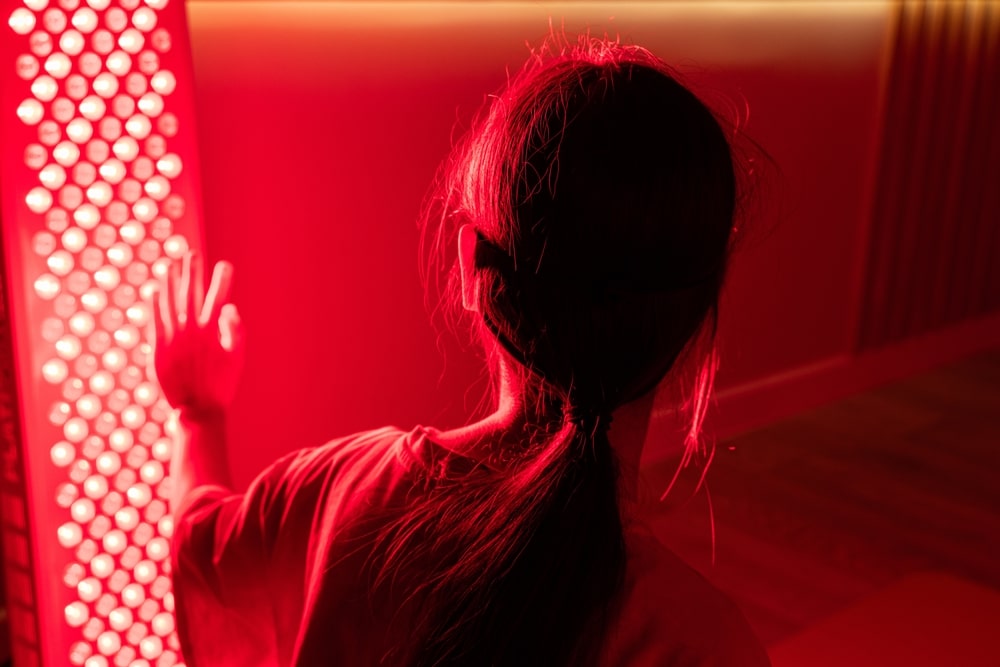
Red light therapy, or photobiomodulation, is a concentrated way to harness the healing wavelengths found in natural sunlight. These specific red and near-infrared frequencies penetrate deep into the tissues, stimulating the mitochondria—the powerhouses of our cells—to produce more energy (ATP). While the best source of red light is the rising or setting sun, many families use red light devices to support skin health, reduce inflammation, and speed up muscle recovery. Whether it’s a full-body panel or a targeted device for oral health, this technology offers a way to supplement our “light diet,” especially during the darker winter months.
Healthy Home Lighting
The environment inside our homes is just as important as the one outside. Most modern LED bulbs emit a sharp spike in blue light and often have an invisible flicker that can strain the nervous system and cause headaches. At night, this blue light tricks the brain into thinking it is midday, which halts the production of melatonin. To create a sleep-supportive home, consider swapping out bright white LEDs for “warm” or amber-toned bulbs in the evening. Using salt lamps, candles, or dimmable red lighting after dinner can help the entire family transition into a restful state, making the bedtime routine much smoother for parents and children alike.
More Podcast Episodes On Light’s Benefits
The science of light is a vast field, and many experts have dedicated their careers to studying how it affects our DNA, mitochondria, and longevity. From understanding how light impacts leptin and fertility to exploring the link between vitamin D and chronic disease, the consensus among specialists is clear: we are light-driven organisms. Diving deeper into these topics reveals that our relationship with the sun and our artificial environments is a primary pillar of health, right alongside nutrition and movement. By staying informed on the latest research, parents can make small, impactful shifts in their home environment that pay dividends in long-term family vitality.
In summary, optimizing your family’s “light hygiene” is one of the most powerful ways to support natural rhythms and cellular health. By prioritizing morning sunlight, being mindful of evening blue light, and respecting the sun’s power without fearing it, you create an environment where everyone can thrive. Have you experimented with changing your indoor lighting or increasing your morning sun exposure? We would love to hear about the changes you’ve noticed in your family’s sleep or energy—feel free to share your experiences in the comments below!