











The “tiptoe trap” is a phase almost every new parent enters instinctively. We freeze when a floorboard creaks, we mute our phones with lightning speed, and we treat the doorbell like a ticking time bomb. While this protectiveness comes from a place of love—and a desperate desire for a few minutes of peace—it often backfires. By curating a vacuum of silence, we inadvertently teach our children that sleep is a fragile state that can only exist in a sensory void. Breaking this cycle isn’t just about convenience for the parents; it’s about giftedness for the child. Developing a “sleep-anywhere” capability is one of the most functional life skills a toddler can acquire.
The Science of Sleep Resilience
Sleep resilience is the ability of the nervous system to remain in a restful state despite environmental changes. In the womb, babies are exposed to a constant symphony of sound—the rhythmic thrum of the mother’s heartbeat, the whoosh of blood flow, and the muffled echoes of the outside world. Interestingly, these sounds can reach levels similar to a vacuum cleaner. Total silence, therefore, is an alien concept to a newborn.
When we introduce ambient household noise, we aren’t “testing” the baby; we are returning them to a state of auditory familiarity. A child who learns to process “safe” background noise develops a higher arousal threshold. This means that instead of a dropped spoon signaling a “threat” that requires waking up, their brain categorizes it as part of the background hum of a secure home.
Strategic Use of Sound Buffers
Transitioning from a silent nursery to a bustling home requires a bridge. White noise machines or fans serve as an excellent “auditory cushion.” The goal isn’t to drown out the world entirely, but to round off the sharp edges of unpredictable sounds. Think of it like a shock absorber on a car; it doesn’t remove the bumps in the road, but it prevents the passenger from being jolted awake by them.
Safety is a critical component of this strategy. The American Academy of Pediatrics suggests that sound machines should be placed at least seven feet away from the crib and kept at a volume no louder than a soft shower (around 50 decibels). If you find yourself having to raise your voice to speak to someone standing next to the crib, the white noise is too loud and could potentially impact auditory development.
A resilient sleeper is a liberated sleeper. When a child isn’t tethered to a silent room, the family’s world expands, allowing for travel, social visits, and a more relaxed daily rhythm.
The Cognitive Benefit of Familiar Patterns
Children are natural pattern-seekers. Their brains are constantly scanning the environment to determine if they are safe. When a baby hears the distant clink of dishes or the low murmur of their parents talking in the next room, it provides a subconscious reassurance that their caregivers are nearby and active. This sense of “supervised independence” can actually lead to deeper sleep cycles because the child doesn’t feel the need to wake up and check for their parent’s presence.
A Step-by-Step Guide to Noise Normalization
If you have been living in a “silent-only” household, do not flip the switch overnight. A gradual introduction allows the child’s sensory processing system to adapt without becoming overwhelmed. This plan is ideal for babies who have already established a basic nap routine.
Days 1–2: Breaking the Silence
- Perform your standard wind-down routine (bath, book, or lullaby).
- Set your white noise machine to a moderate, steady level.
- Instead of whispering outside the door, use your “library voice”—low but natural.
- Keep the door slightly ajar if you usually close it tight, allowing the normal scents and soft echoes of the home to drift in.
Days 3–4: Introducing Rhythmic Appliances
- Once the baby has been asleep for about 15 minutes and has entered a deeper sleep phase, introduce a rhythmic sound.
- Running the dishwasher or a laundry cycle in a nearby room is perfect because these sounds are consistent and predictable.
- If the baby stirs, resist the urge to rush in immediately. Give them 30 seconds to settle; often, they are simply processing the new sound and will drift back down.
Days 5–6: Active Environment Training
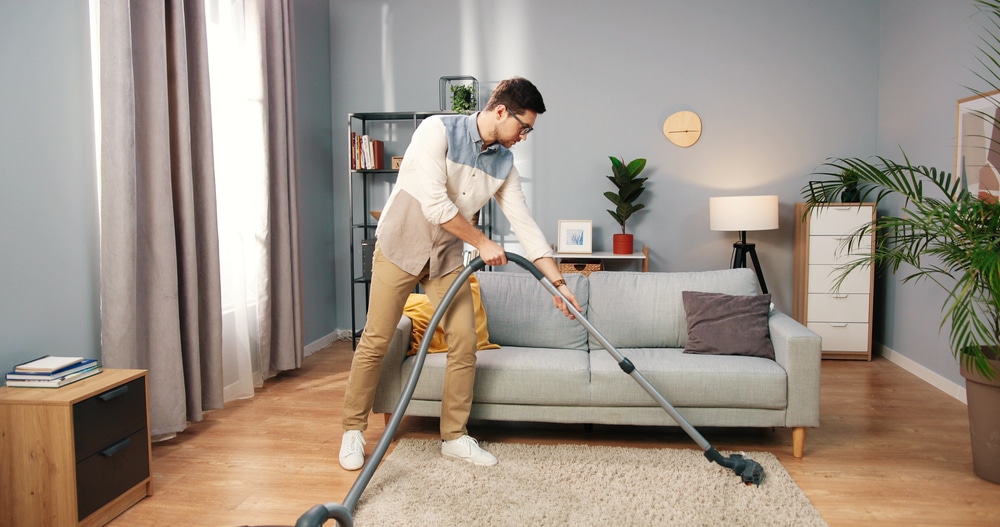
- It is time to bring the “big” noises back into the fold. Start by vacuuming or using kitchen appliances in rooms further away from the nursery.
- Progressively move your activity closer to the sleep space as the nap continues.
- The goal is to normalize the “shocks.” If they wake up early, don’t view it as a failure. It’s simply data telling you to move a bit slower during the next nap.
Day 7: The Integrated Household
- By the end of the week, aim to live your life normally. Have a conversation at a standard volume, cook your meals, and let the older children play (within reason).
- Consistency is your greatest ally. When the “hum” of the house becomes the standard, the baby stops seeing it as a reason to wake up.
“The goal isn’t to see how much noise a baby can withstand, but to show them that life continues safely while they rest.”
When to Pivot or Pause
Parenting requires intuition, and there are times when “sleep resilience” should take a backseat. If your child is hitting a major developmental milestone (like crawling or walking), their brains are already in a state of high alert, and they may need a quieter environment for a few days. The same applies to teething or illness.
Furthermore, consider the “type” of noise. Sudden, sharp sounds—like a barking dog or a slamming door—are much harder to habituate to than the low-frequency drone of a vacuum. If you live in a particularly loud environment, like a city apartment with sirens, white noise becomes a mandatory tool rather than an optional one.
Frequently Asked Questions
Is my child a ‘light sleeper’ by nature? While some children have higher sensory sensitivity, most “light sleepers” are made, not born. By gradually increasing their exposure to sound, you can help them become “heavier” sleepers over time.
What if we have a small home and noise is unavoidable? In smaller spaces, the “auditory cushion” of white noise is even more vital. Use it to create a sound barrier between the living area and the sleeping area.
Does this work for older toddlers? Yes, though toddlers may be more curious about what they are missing out on. For older kids, explain that the “happy house noises” mean that everyone is safe and busy while they recharge their bodies.
Should I keep the TV on? TV noise is often erratic, with sudden volume spikes in commercials or action scenes. It is better to use consistent sounds like fans, white noise, or even soft, lyric-less music.
Conclusion
Creating a sleep-resilient child is an investment in your family’s long-term freedom. While the instinct to maintain a silent home is understandable, it often creates a “sleep bubble” that is easily popped. By embracing the natural rhythms and sounds of your household, you teach your child that sleep is a natural, secure state that doesn’t require a perfectly controlled environment. Over time, you’ll find that you no longer need to tiptoe past the nursery. Instead, you can move through your home with confidence, knowing your little one is resting deeply amidst the beautiful, messy hum of family life.