




















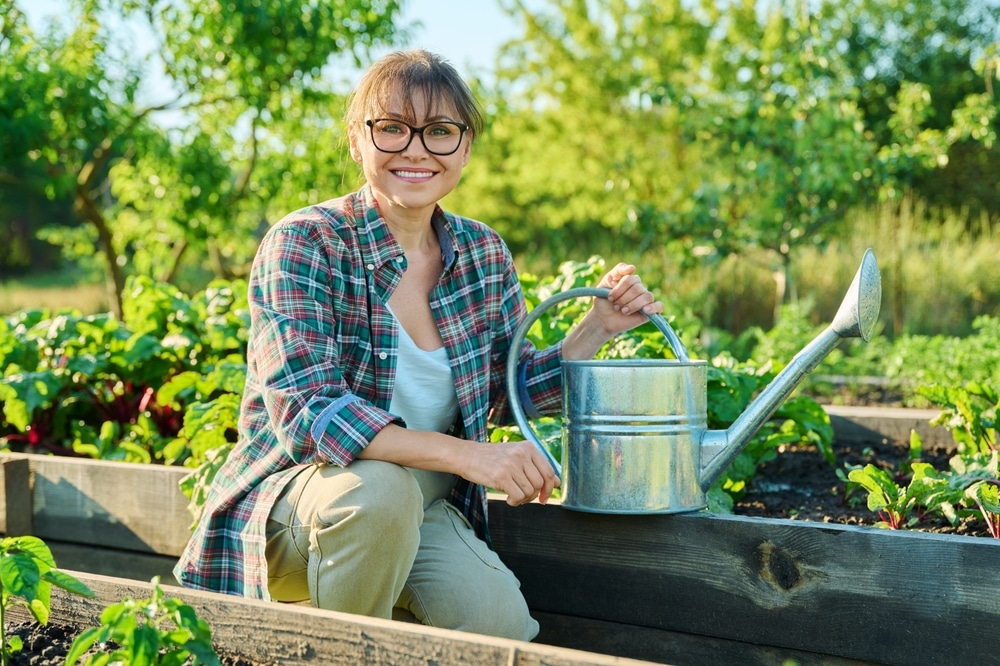
As the frost begins to retreat and the first rays of consistent sunlight hit the soil, there is a collective sigh of relief for those of us who love the outdoors. Spring is more than just a change in temperature; it is a renewal of the landscape and a prime opportunity for parents to engage their children in the cycle of growth. Whether you are tending to a sprawling rural plot or a few containers on a sunny balcony, the work you do now sets the stage for a bountiful summer harvest.
Every gardener’s journey is shaped by their local environment. While those in southern regions may already be seeing green shoots, gardeners in northern climates are likely still eyeing their snow shovels. However, regardless of your zip code, there are universal steps that ensure your garden transitions smoothly from dormant to thriving.
Spring Gardening Planning
Success in the garden is rarely accidental; it begins with a thoughtful roadmap. Over the years, I’ve learned that a garden is a living classroom. From observing the symbiotic relationship between bees and blossoms to managing the quirky personalities of backyard ducks and chickens, planning ensures these elements work in harmony.
The cornerstone of your plan should be your USDA plant hardiness zone. This data point is your most reliable guide for determining when to safely move plants outdoors. Understanding your average last frost date prevents the heartbreak of losing tender seedlings to a surprise late-season cold snap. For those in milder climates, spring is often the start of a second or third growing season, while those in colder zones must maximize a shorter window of opportunity.
A Garden Planner
If you haven’t started a garden journal yet, this is the year to do it. A planner—whether it’s a high-tech app or a simple spiral notebook—acts as the “memory” of your garden. It allows you to look back at previous years to see which tomato variety actually tasted best or which corner of the yard stayed too soggy for carrots.
When mapping out your beds, remember the golden rule: plant for the space you have, not the space you wish you had. It is tempting to buy every seed packet in the aisle, but overcrowding leads to poor airflow and disease. Use this planning phase to research companion planting—putting “friends” like basil and tomatoes together—and to schedule crop rotations that prevent soil depletion.
Seed Starting
There is something inherently magical about starting seeds indoors while it’s still chilly outside. This is a fantastic way to involve children in the gardening process; watching a tiny seed break through the soil is a lesson in patience and wonder.
Hardy vegetables like peas, spinach, and kale can handle the cool spring earth and should be prioritized early. Meanwhile, “heat-lovers” like peppers, eggplants, and tomatoes need the head start of an indoor environment. Be mindful of which seeds prefer “direct sowing” (planting straight into the ground), as root vegetables like carrots and radishes typically dislike having their roots disturbed during transplanting.
Soil Testing
We often focus so much on the plants that we forget the most important part of the garden is actually underground. Soil is the foundation of plant health. A soil test is a low-cost investment that yields high-value data, revealing your soil’s pH levels and nutrient deficiencies.
Many local university extension offices offer comprehensive testing services. By understanding if your soil is too acidic or lacking in nitrogen, you can apply the exact amendments needed rather than guessing. Healthy soil leads to resilient plants that are better equipped to fight off pests and disease naturally.
Add Compost
Once you’ve assessed your soil, it’s time to feed it. Spring is the perfect season to “top-dress” your beds with high-quality compost. This organic matter improves soil structure, aids in moisture retention, and provides a slow-release buffet of nutrients for your plants.
Aim for a layer of about 2 to 4 inches. If you are working with heavy clay, you may want to gently incorporate the compost into the top few inches of soil to help break up the density. For established “no-dig” gardens, simply laying the compost on top and letting the worms do the work is often the best approach.
Snip, Snip, Trim
Pruning is an essential spring chore that often feels counterintuitive. Why cut something back when you want it to grow? However, removing dead, damaged, or diseased wood actually redirects the plant’s energy toward healthy new growth.
Focus your spring pruning on:
- Removing winter-damaged branches from trees and fruit bushes.
- Thinning out overgrown deciduous hedges to allow light into the center.
- Cutting back the dead stalks of ornamental grasses and perennials left standing over winter.
A word of caution: wait to prune spring-flowering shrubs like lilacs or forsythia until after they bloom, or you’ll accidentally snip off this year’s flowers. This is also the time to inspect your tools. A sharp pair of shears makes cleaner cuts that heal faster, reducing the risk of plant infection.
Weed and Mulch
The early bird gets the… weed. Tackling weeds in early spring, while the ground is soft and the roots are shallow, is significantly easier than battling them in the heat of July. I find that weeding after a light rain allows the entire root system to slide out of the soil with minimal effort.
Once your beds are clear and your transplants are in, apply a thick layer of mulch. Mulch is the multi-tasker of the garden: it suppresses weed seeds, regulates soil temperature, and keeps moisture where it belongs—in the ground.
Hold Up on Cleanup
While it’s tempting to rake every leaf and clear every stem the moment the sun comes out, a little “laziness” can actually save the local ecosystem. Many of our most important pollinators, including certain species of bees and butterflies, spend the winter in the leaf litter or inside hollow plant stems.
The Xerces Society for Invertebrate Conservation offers this vital reminder:
Last year’s leaf litter is still providing protection for both plants and invertebrates against late-season frosts. Butterflies may also be waiting in their chrysalides, clinging to dried stems for an opportune moment to emerge. – Xerces Society
Wait until temperatures are consistently above 50°F before doing a deep “sterile” cleanup of the yard to give these beneficial insects a chance to wake up and move out.
Maintaining Garden Areas
Spring is the time to audit the “bones” of your garden. Check for leaning fence posts, cracked pavers, or raised beds that may have bowed under the weight of winter snow. Repairing these structures now, before they are hidden by foliage, is much easier.
If you’ve been considering adding sustainability features like rain barrels or cold frames, early spring is the ideal installation window. Ensuring your irrigation systems or garden hoses are leak-free now will save you a headache when the summer heat arrives.
Perennials and Cuttings
If your perennial flowers or herbs are looking a bit crowded or “bald” in the center, they are likely candidates for division. Digging them up and splitting them into two or three smaller clumps not only rejuvenates the parent plant but also gives you free plants to expand your garden or share with neighbors.
Spring is also a prime time for planting bare-root trees and shrubs. Because they are dormant, they experience less transplant shock, allowing them to establish a strong root system before the stress of summer heat.
Helping the Garden Friends
A truly productive garden is a collaborative effort between the gardener and nature. By creating a welcoming habitat for birds and beneficial insects, you reduce the need for chemical interventions.
Consider adding a “bee hotel” for solitary pollinators or setting up a birdbath with fresh, clean water. If you have the space, a bat house can be a powerful tool for natural mosquito control. These small additions turn a simple vegetable patch into a vibrant, living ecosystem that your children can explore and enjoy.
Preparing For a Spring Garden
Preparing your garden for the season is a marathon, not a sprint. It is easy to feel overwhelmed by the length of the “to-do” list, but gardening should be a source of joy, not stress. Focus on one task at a time—perhaps starting with soil health this weekend and seed starting the next.
The beauty of gardening lies in its flexibility. Some years you may have the energy for an elaborate vegetable estate, and other years, a few pots of herbs and some bright marigolds are more than enough. The most important thing is to get outside, get your hands in the dirt, and enjoy the miracle of growth that spring provides.
The arrival of spring is a call to action for every green thumb. By taking the time to plan, prep your soil, and support your local pollinators, you are laying the groundwork for a season of abundance and family memories. How are you kicking off your garden season this year? We’d love to hear your tips and favorite spring traditions in the comments below!