



















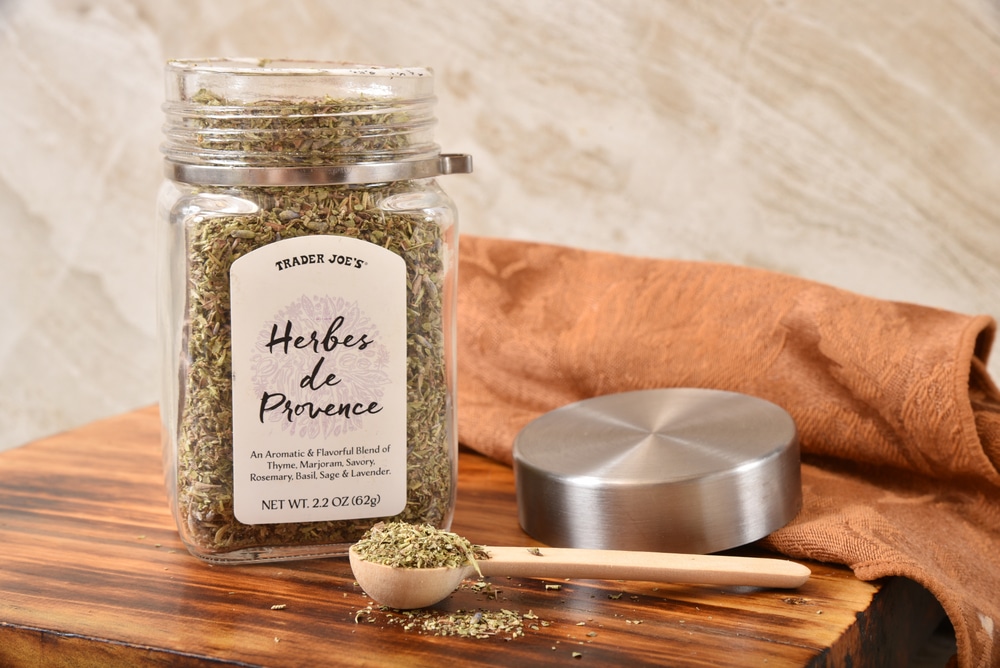
In our house, the kitchen is more than just a place to prep meals; it is a classroom where our children learn about culture, health, and the joy of discovery. One of my favorite “teaching tools” is a simple jar of homemade herbes de Provence. This fragrant blend, rooted in the sun-drenched hills of southern France, has become a cornerstone of my cooking. It is a testament to the idea that French cuisine doesn’t have to be intimidating—it can be as simple as the right combination of dried herbs.
Growing up with a mother who cherished her French heritage, I was introduced to bold flavors like pâté and slow-simmered stews early on. While I don’t claim to be a classically trained chef, I have found that bringing these traditional flavors into a modern family kitchen bridges the gap between “boring” healthy eating and a true culinary experience.
The French Approach to Picky Eaters
As parents, we often fall into the trap of serving “kid food”—typically bland, beige, and predictable. However, the French food culture offers a different blueprint. In France, children are often expected to eat what the adults eat, which naturally broadens their palates from a young age. By introducing complex flavors early, we can raise adventurous eaters who aren’t afraid of a little green on their plates.
This seasoning blend is a secret weapon for transitioning away from pickiness. When children help mix these herbs, they become curious about the scent of lavender or the earthiness of rosemary. This involvement creates a sense of ownership over the meal, making them much more likely to try—and enjoy—the finished dish.
What Exactly is Herbs de Provence?
Named after the Provence region where these plants grow wild, this blend is a symphony of Mediterranean flavors. The core usually consists of savory, thyme, marjoram, and rosemary. Depending on the specific village or family tradition, you might also find accents of fennel, orange zest, or the floral notes of lavender.
Beyond the flavor, these herbs are nutritional powerhouses. From a holistic parenting perspective, adding these to a meal is an easy way to support the family’s well-being. Rosemary is often celebrated for its ability to support cognitive function and memory, while thyme has a long history of supporting respiratory health. Marjoram and lavender offer a calming effect on the nervous system, which is a welcome benefit during a hectic family dinner. Even the inclusion of fennel can assist in soothing little tummies and aiding digestion.
Herbs de Provence vs. Italian Seasoning
It is a common question: Can I just use the Italian seasoning sitting in my pantry? While both are delicious, they serve different purposes. Italian seasoning is typically dominated by oregano and basil, giving it that classic “pizza or pasta” profile. Herbes de Provence, however, leans into the floral and earthy side with the addition of summer savory and, quite often, lavender. If you are looking for a flavor that feels more “rustic countryside” than “pizzeria,” the French blend is the way to go.
How to Prepare Herbs de Provence
While you can certainly buy a pre-made jar, making it yourself is where the magic happens. Store-bought spices can sit on shelves for months, losing their aromatic oils. When you blend your own, especially if you take the time to lightly crush the coarser seeds or needles, you release those oils right before they hit the pot.
I recommend letting the kids use a mortar and pestle. It’s a great sensory activity that allows them to see the texture change from whole dried buds and leaves into a cohesive, fragrant mixture.
Utilizing This Homemade Seasoning
The beauty of this blend is its versatility. It has a bold, grounded flavor that pairs exceptionally well with proteins. Try rubbing it onto a whole chicken or pork tenderloin before roasting; the heat of the oven helps the chunky herbs soften and infuse the meat.
One of my favorite parenting “hacks” for getting vegetables onto the table is creating a compound butter. Simply fold a tablespoon of this blend into softened, grass-fed butter. A dollop of this melted over steamed broccoli, roasted carrots, or even a simple bowl of rice transforms the dish instantly. It’s also a wonderful addition to breakfast—whisk it into your morning egg bites or mix it into ground pork for a clean, homemade breakfast sausage without the additives found in store-bought links.
By making your own blends, you aren’t just saving money and reducing waste; you’re ensuring that your family is consuming the freshest ingredients possible.
Homemade Herbs de Provence Recipe
This traditional blend marries the earthiness of thyme and rosemary with the delicate, floral notes of lavender and the brightness of orange zest. It is a pantry essential for any family looking to explore French-inspired cooking.
- Using a mortar and pestle or a food processor on a pulse setting, lightly break down the coarser ingredients like rosemary needles, fennel seeds, and lavender flowers. Aim for a coarse texture rather than a fine powder to maintain the rustic feel of the blend.
- If using fresh orange zest, ensure it is completely dehydrated before adding it to the mix to prevent mold. You can dry zest from an organic orange in a low-temperature oven or a dehydrator.
- Stir all the herbs together in a small bowl until the colors and textures are evenly distributed.
- Transfer the mixture to an airtight glass jar. For the best flavor, store the jar in a cool, dark place like a pantry cupboard.
Nutrition Facts
Homemade Herbs de Provence Recipe
Amount Per Serving (1 tsp)
Calories 9
Calories from Fat 2
% Daily Value*
Fat 0.2g0%
Saturated Fat 0.1g1%
Polyunsaturated Fat 0.04g
Monounsaturated Fat 0.01g
Sodium 2mg0%
Potassium 28mg1%
Carbohydrates 2g1%
Fiber 1g4%
Sugar 0.04g0%
Protein 0.3g1%
Vitamin A 131IU3%
Vitamin C 2mg2%
Calcium 60mg6%
Iron 3mg17%
* Percent Daily Values are based on a 2000 calorie diet.
- This recipe yields approximately 1/2 cup plus 2 teaspoons, which should last several months in a typical family kitchen.
- Beyond meats, try whisking a teaspoon into an olive oil and balsamic vinegar dip for sourdough bread.
Alternate Herbs de Provence Recipe
Sometimes, specific ingredients like summer savory can be hard to track down at the local grocery store. If your pantry is missing a few “traditional” items, you can still achieve a beautiful, French-inspired profile using more common dried herbs. The process remains the same: pulse, mix, and store.
- 2 TBSP dried thyme
- 2 TBSP dried rosemary
- 1 TBSP dried basil
- 1 TBSP dried oregano
- 1 TBSP dried summer savory (if you have it)
- 1 tsp dried marjoram
- 1 tsp food-grade dried lavender buds
Taking the time to craft your own seasonings is a small act that pays large dividends in the kitchen. Not only do you get to control the quality and freshness of what your family eats, but you also invite your children into a world of flavor that goes far beyond the standard “kid-friendly” fare. Whether you are roasting a Sunday chicken or just trying to make weeknight veggies more appealing, herbes de Provence brings a touch of French elegance and a wealth of health benefits to your table. Establishing these flavor profiles early is one of the best ways to set your children on a path toward a lifetime of healthy, adventurous eating.