



















If you take a peek inside my bathroom cabinets, you will see a collection of glass jars and botanical ingredients. While the market for organic skincare has exploded in recent years, I still find a unique sense of peace in making my own products. This was especially true when my children were babies; during those early years, I formulated almost everything that touched their skin myself.
You don’t have to be a hardcore DIY enthusiast to start making your own baby care items. Even if you aren’t ready to brew your own kombucha or press your own seed oils, starting with infant care is a logical first step. A baby’s skin is significantly thinner than an adult’s, acting more like a sponge than a barrier. By using simple, kitchen-stable ingredients, you can ensure your little one isn’t being exposed to the synthetic fragrances and petroleum byproducts often found in commercial “baby-scented” lotions.
The following recipes are the staples I used for my own children and continue to gift to new parents today.
Natural Diaper Rash Cream – Cloth Diaper Safe!
Switching to cloth diapers was one of the best decisions I made as a parent. Beyond the massive cost savings and the reduced environmental footprint, I found that my babies experienced far fewer rashes. However, life happens—long car rides or overnight messes can still cause occasional irritation.
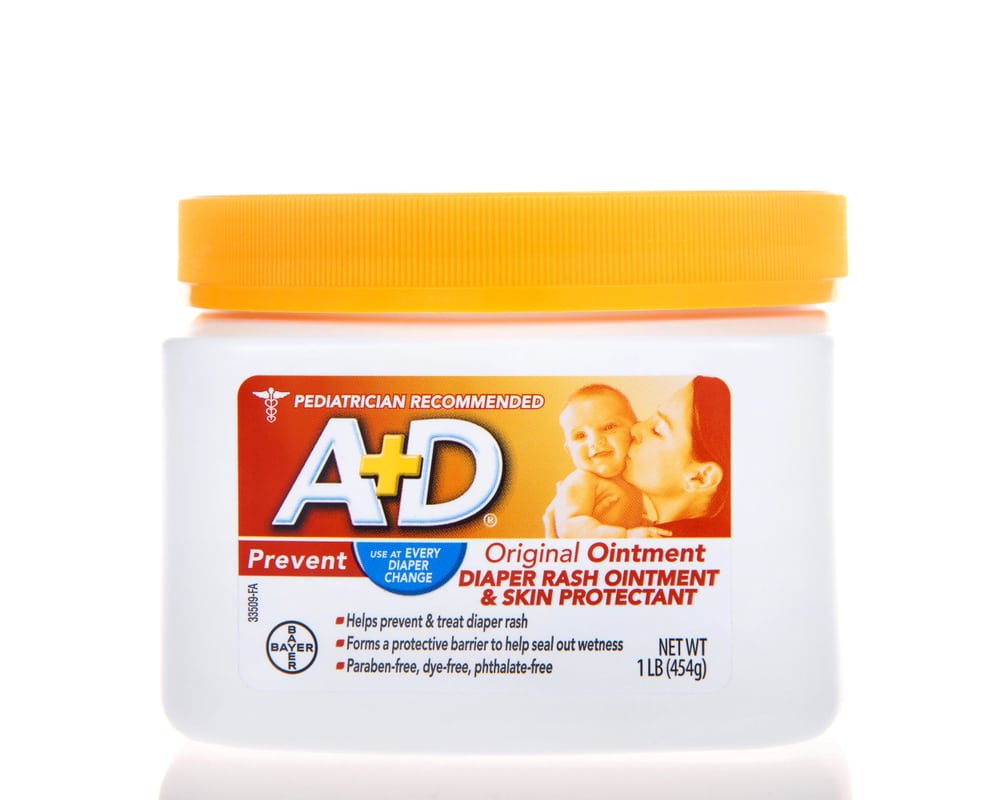
The challenge for cloth-diapering parents is that most store-bought “maximum strength” creams contain petroleum jelly or fish oils. These ingredients create a waterproof seal that “repels” liquids, which is great for skin but disastrous for cloth diapers, as it causes them to lose their absorbency. My DIY solution uses coconut oil as a base. To boost its healing power, I recommend infusing the oil with calendula and chamomile first. This creates a cream that is gentle on fabric but incredibly effective at soothing inflamed skin.
Baby Oil Recipe
Standard baby oil is almost always mineral oil, which is a byproduct of the petroleum industry. It sits on top of the skin rather than nourishing it and is usually paired with heavy synthetic perfumes. A much better alternative is a botanical-infused plant oil. By infusing herbs like calendula and chamomile into a carrier oil, you gain anti-fungal and anti-inflammatory benefits that help the skin heal from the inside out.
Natural Baby Oil
This herbal oil is a multipurpose powerhouse, perfect for infant massage or treating dry patches.
**Prep Time:** 5 mins
**Infusion Time:** 3 hours
**Total Time:** 3 hours 5 mins
**Yield:** 8 ounces
**Instructions:**
1. Place your dried herbs (calendula and chamomile work best) into a clean glass jar and cover them completely with oil (such as sweet almond or coconut oil). Seal the jar and let it sit in a cool, dark place for 4 to 8 weeks, shaking it once a day.
2. For a faster “heat infusion” method, place the herbs and oil in a double boiler over very low heat. Let the mixture simmer gently for 1 to 3 hours. Keep a close eye on the water level in the bottom pot to ensure it doesn’t run dry.
3. Once the oil has taken on the scent and color of the herbs, strain the mixture through a fine-mesh strainer or several layers of cheesecloth.
4. Store in a glass bottle and use it as you would any other baby oil.
*Note: This oil is also fantastic for soothing cradle cap or dry patches associated with eczema.*
Soothing Baby Powder
For years, talc-based powders were the gold standard in nurseries, but we now know the risks associated with talcum powder, including potential asbestos contamination. While many companies have moved toward cornstarch, these formulas are still often loaded with “fragrance”—a catch-all term for hundreds of undisclosed chemicals.
Making your own powder is incredibly simple. Using a base of arrowroot powder or kaolin clay provides a silky texture that absorbs moisture without the risks of talc. You can leave it unscented or add a few dried, powdered lavender buds for a truly natural, calming aroma.
Homemade Baby Wipes
When I had my first child nearly two decades ago, I realized very quickly how many wipes a single household goes through. It’s an endless cycle of waste and expense. Since I was already washing cloth diapers, I started using cloth wipes as well.
If you aren’t ready for cloth, you can still use a natural wipe solution with high-quality paper towels. This allows you to control exactly what is touching your baby’s most sensitive areas, avoiding the alcohol and preservatives found in many disposable brands. It’s a small change that makes a huge difference for babies with reactive skin.
Super Smooth Baby Lotion and Lotion Bars
I’ve used a consistent homemade lotion recipe for years, relying on the moisturizing power of shea butter and vitamin E. For newborns, I always suggest skipping essential oils entirely; their sense of smell is so keen that they really just want to smell their parents, not a bottle of lavender oil.
If you want something even more convenient, lotion bars are a game-changer. They look like a bar of soap but melt slightly upon contact with the skin. They create a breathable protective barrier that is particularly helpful for babies who suffer from “drool rash” or dry cheeks during the winter months. They are concentrated, mess-free, and last much longer than liquid lotions.
Baby Shampoo or Wash
The “less is more” rule is vital when it comes to bathing infants. Most of the time, a baby’s skin doesn’t actually need soap; warm water and a soft washcloth are sufficient for maintaining their natural pH and protective oils.
However, for those inevitable “blowout” situations where water won’t cut it, I recommend a very diluted, unscented liquid Castile soap. You can even put it in a foaming dispenser to make it easier to apply with one hand while holding a squirming baby with the other.
Natural Teething/Pain Relief
Teething is a rite of passage that often leaves both parents and babies exhausted. While many reach for over-the-counter numbing gels or pain relievers, I’ve found that natural remedies are often just as effective without the side effects.
A chamomile tincture is my favorite tool for this. Chamomile is naturally calming to the nervous system. For babies, you can rub a tiny bit of the tincture directly onto their gums or use it as a compress. It helps take the edge off the inflammation and encourages the baby (and you!) to get some much-needed rest.
Baby Vapor Rub
When a baby has a cold, the instinct is to reach for a vapor rub to help them breathe. However, traditional rubs contain menthol and camphor, which are actually discouraged for use on infants because they can be too strong for their developing respiratory systems.
A safer DIY version uses a base of beeswax and coconut oil with very low dilutions of “kid-safe” essential oils like fir needle or cedarwood. These help open the airways and provide comfort without the harsh, stinging sensation of petroleum-based menthol rubs.
Final Thoughts on Natural Baby Care Recipes
Even though my children are no longer babies, I still find myself mixing up these batches for friends and family. There is something deeply rewarding about knowing exactly what is in the products we use. Transitioning to natural baby care is an investment in your child’s long-term health, and as a bonus, it’s often much kinder to your household budget. Taking control of these small daily rituals is a wonderful way to provide the gentlest care possible for your little ones.