




















The transition into winter often feels like a tactical operation for parents. Between the biting wind outside and the parching heat inside, a baby’s delicate system faces constant environmental shifts. While the temptation is to simply bundle up and stay indoors, a proactive approach to winter wellness involves more than just heavy blankets. By focusing on air quality, skin integrity, and safety-conscious layering, you can navigate the colder months with much less stress. Here are the seven essential items experienced parents and pediatric experts recommend for a comfortable, healthy winter.
1. Cool-mist humidifier for comfortable airways
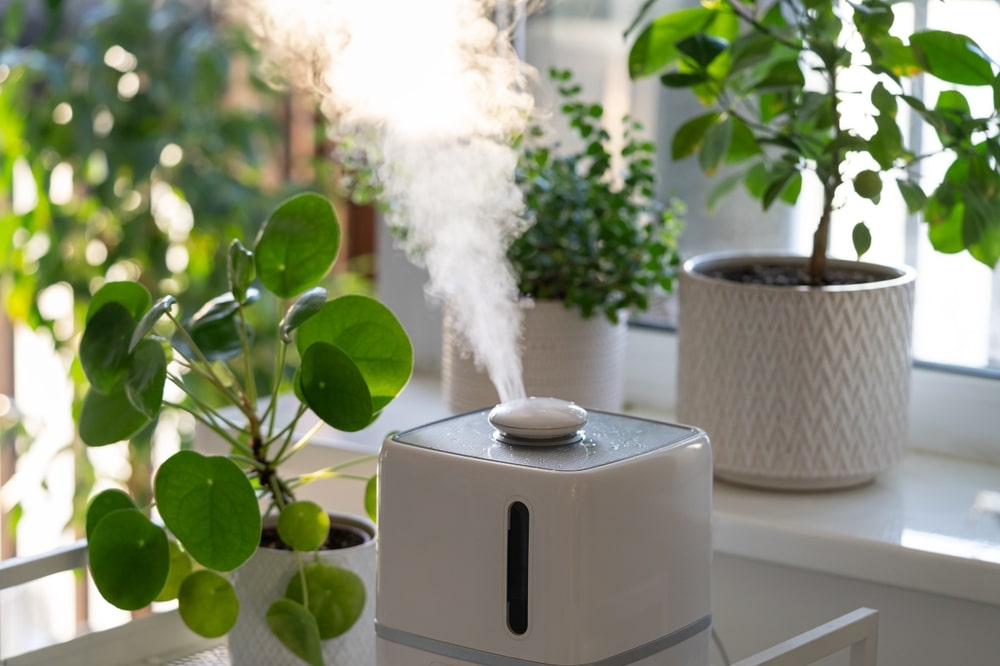
When the furnace kicks on, the humidity in your home can drop to desert-like levels. This dry air pulls moisture from a baby’s sensitive mucous membranes, leading to congestion and restless sleep. A cool-mist humidifier is the preferred choice over warm-mist versions because it eliminates the risk of accidental burns.
To keep the air truly healthy, cleanliness is paramount. Mineral deposits and mold can build up quickly, so aim to rinse the tank daily and deep-clean the unit every few days. Using distilled or demineralized water can prevent that fine “white dust” from settling on nursery furniture. Position the unit at least three feet away from the crib to ensure the mist disperses evenly without making the bedding damp.
2. Fragrance-free ointment for protecting delicate skin
A baby’s skin is significantly thinner than an adult’s, making it prone to “winter rash” and windburn. While lotions are mostly water-based and can evaporate quickly, a thick, petroleum-based ointment creates a physical seal. This barrier is especially vital for the “drool zone”—the chin and neck area—where moisture from teething can freeze or cause irritation in the cold air.
The best time to apply these protectors is immediately following a bath. Gently pat the skin until it is slightly damp, then lock that hydration in with a fragrance-free ointment. For outdoor walks, a thin layer on the cheeks can act as an invisible shield against the biting wind.
3. Saline drops and nasal aspirator for clearing stuffy noses
Babies are primarily nose breathers, which means even a small amount of winter congestion can disrupt their ability to nurse, take a bottle, or self-soothe to sleep. Since infants cannot clear their own nasal passages, a two-step approach is most effective: softening and suctioning.
Start with a few sterile saline drops in each nostril to break up stubborn mucus. After waiting a minute, use a nasal aspirator to clear the airway. Performing this routine about 15 minutes before a feeding or bedtime can significantly improve your baby’s comfort level. If the skin around the nostrils becomes red from wiping, a tiny dab of healing ointment can prevent painful cracking.
4. Layering system compatible with car seats
Safety experts frequently warn against placing infants in car seats while they are wearing bulky snowsuits or heavy coats. In a collision, the fluff in these garments compresses, leaving the harness too loose to effectively protect the child. The solution is a strategic layering system.
Start with a thin, breathable base layer, add a fleece mid-layer, and then secure the child in the seat. For warmth, tuck a thick blanket *over* the harness straps once they are buckled. A helpful rule of thumb for temperature checking is to feel the back of the baby’s neck; if it feels hot or sweaty, they are over-bundled. If it feels cool to the touch, they need another thin layer.
5. Vitamin D drops for winter wellness
During the winter, many regions don’t receive enough UVB radiation for the body to synthesize Vitamin D naturally. This nutrient is critical for bone development and immune support. Because breast milk typically does not contain high enough levels of Vitamin D to meet an infant’s needs, pediatricians generally recommend a daily supplement of 400 IU for breastfed babies.
Formula-fed infants may not need extra drops if they are consuming a specific volume daily, as formula is already fortified. It is always best to consult your pediatrician to determine the correct dosage. A simple way to administer the drop is to place it directly on a nipple or a clean pacifier before a feeding.
6. Stroller weather shield or babywearing cover
Getting outside for fresh air is beneficial for both parental mental health and a baby’s circadian rhythm, but the elements can be harsh. A transparent stroller shield is an underrated tool; it blocks the wind and snow while creating a slightly warmer microclimate inside the stroller seat through the greenhouse effect.
If you prefer babywearing, a dedicated carrier cover or a coat extension is essential. This allows the baby to benefit from your body heat while staying shielded from the wind. Always ensure the baby’s face remains visible and their airway is completely clear of any fabric or “muffler” style covers.
7. Digital thermometer and a straightforward fever plan
Winter is peak season for respiratory viruses. When a baby feels warm or acts unusually fussy, having a reliable digital thermometer prevents guesswork. For infants under three months of age, a rectal temperature is widely considered the “gold standard” for accuracy by medical professionals.
Beyond just owning the tool, have a written plan ready. Know your pediatrician’s after-hours number and the specific temperature thresholds that require a call. Keeping a simple log of temperatures, symptoms, and diaper counts can be incredibly helpful if you eventually need to speak with a nurse or doctor in the middle of the night.
While the logistics of winter parenting require a bit more effort, being equipped with these essentials transforms the season from something to endure into something to enjoy. By maintaining moisture in the air and on the skin, prioritizing car seat safety, and keeping a close eye on wellness markers, you can keep your little one cozy and thriving until the first signs of spring. Trust your intuition—if your baby seems comfortable and content, your winter strategy is working beautifully.