

















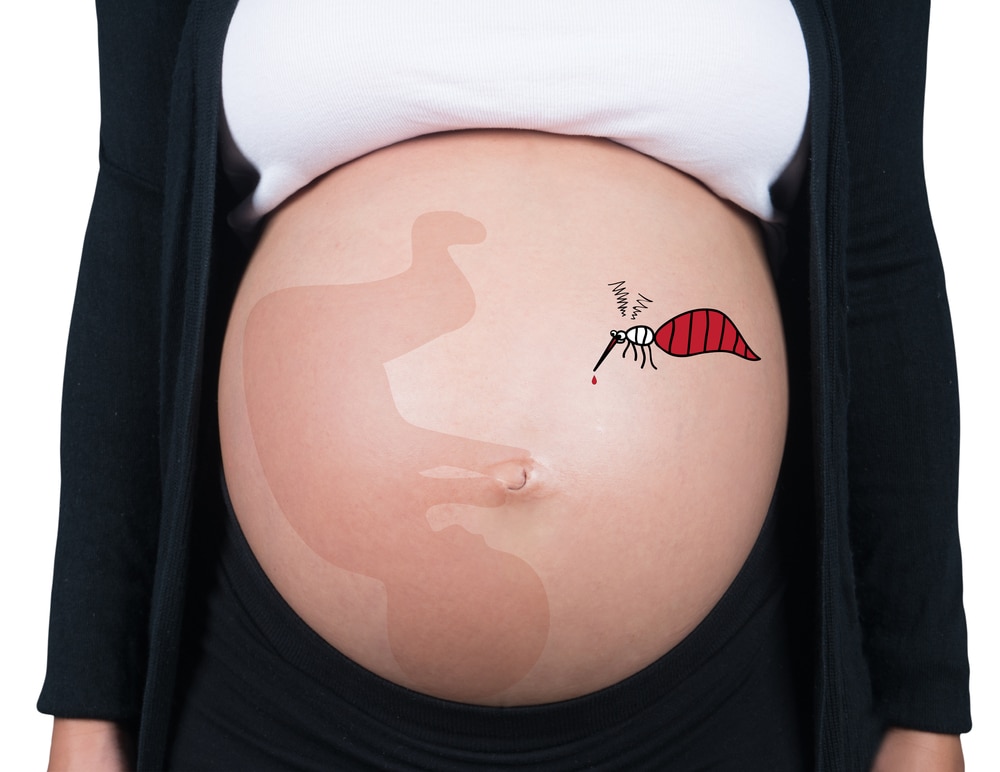
If you have ever felt like a walking target for mosquitoes during your pregnancy, you aren’t imagining it. While everyone deals with the nuisance of summer bugs, expecting parents often find themselves swatting away far more than their fair share of pests. Science confirms that pregnancy does indeed act as a natural lure for these insects, turning what should be a relaxing outdoor evening into a frustrating battle against itchy welts.
Medical entomologists have noted that the “mosquito season,” which typically peaks in late summer, coincides with many of the outdoor celebrations families enjoy. Understanding why you have become the “guest of honor” at the mosquito buffet is the first step in reclaiming your summer comfort and ensuring your health and the health of your baby are prioritized.
Why Mosquitoes Target Pregnant People
It is a common misconception that mosquitoes simply have “preferences.” In reality, they are highly sophisticated hunters that use a variety of biological signatures to track their prey. For a pregnant person, three specific changes in the body create a “beacon” that mosquitoes find nearly impossible to ignore: carbon dioxide, heat, and skin chemistry.
During pregnancy, your respiratory system undergoes significant shifts. To support a developing fetus, your body requires more oxygen, leading to an increase in breath volume. This results in the exhalation of roughly 21% more carbon dioxide than a non-pregnant person. Since mosquitoes use CO2 as their primary long-range radar to find a blood meal, this increased output makes you much easier to locate from a distance.
Furthermore, the “maternal glow” often comes with a literal rise in temperature. Pregnant individuals typically have a higher basal body temperature and increased blood flow to the skin. This extra warmth, combined with the fact that pregnancy often leads to more frequent sweating (which releases lactic acid and other attractive scents), makes you a prime landing pad for mosquitoes once they get close.
The Risk of Mosquito-Borne Diseases
While the itching is a major annoyance, the real concern lies in the potential for illness. Mosquitoes are more than just pests; they are vectors for diseases that can have serious implications for a developing fetus. The Centers for Disease Control and Prevention (CDC) monitors several dozen species in the U.S. that are known to carry pathogens.
Viruses such as West Nile, Zika, and Eastern Equine Encephalitis (EEE) are the primary concerns. Zika, in particular, gained significant attention for its ability to cause birth defects. Because it is impossible to tell which mosquito is a harmless nuisance and which one is carrying a virus, experts recommend a “zero-bite” policy for pregnant individuals. Protecting your skin is not just about avoiding an itch; it is a vital part of your prenatal healthcare strategy.
How to Protect Yourself from Mosquito Bites
Living in a bubble until autumn isn’t a realistic option. You should be able to enjoy your backyard, go for walks, and attend summer gatherings. By layering a few smart defense strategies, you can significantly reduce your attractiveness to bugs and lower your risk of being bitten.
Wear Light-Colored Clothing
Mosquitoes don’t just “smell” their way to you; they use vision as well. Recent research suggests that these insects are particularly drawn to specific wavelengths of light, notably reds and oranges—colors that often mimic the infrared heat signatures of human skin. Interestingly, they tend to ignore cool tones like greens, blues, and whites. When choosing your maternity wardrobe for a day outside, opt for whites or pastels. These colors not only help you stay cooler by reflecting sunlight but also help you “blend in” to the background of a mosquito’s visual field.
Wear Long Sleeves and Pants When Possible
It may seem counterintuitive to cover up when the humidity is high, but physical barriers are the most effective way to stop a bite. If you are in a high-risk area, such as near standing water or dense woods, choose lightweight, breathable fabrics that cover your arms and legs. Modern athletic wear often features “cooling” fabrics that allow for airflow while still providing the coverage you need to keep your skin inaccessible.
Wear Loose-Fitting Clothing
Did you know that a mosquito can actually bite through skin-tight denim? Many people assume that heavy fabrics provide protection, but if the material is stretched tight against the skin, a mosquito’s proboscis can easily pierce through. Opting for loose, flowy maternity wear creates a “buffer zone” of air between the fabric and your skin, making it much harder for an insect to successfully land a bite.
Use a Repellent with DEET
One of the most frequent questions pregnant people ask is whether bug spray is safe. According to the Environmental Protection Agency (EPA) and major obstetric organizations, DEET-based repellents are safe for use during pregnancy when applied as directed. DEET has been used for decades and is considered the “gold standard” for long-lasting protection.
When applying, focus on your clothing and exposed skin, but avoid your hands to prevent accidental ingestion. For those looking for extra peace of mind, studies published in major medical journals have confirmed that topical application of DEET does not pose a reproductive hazard. If you are already at home, using secondary deterrents like high-powered fans (mosquitoes are weak fliers) or citronella candles can provide an extra layer of defense.
Try DEET Repellent Alternatives
If you prefer to avoid traditional sprays due to their scent or texture, there are other EPA-registered options. Picaridin and Oil of Lemon Eucalyptus are often cited as effective alternatives. However, when it comes to “pure” essential oils, exercise caution. While oils like cedar, geranium, and citronella can offer short-term protection, they generally evaporate much faster than synthetic repellents and require frequent reapplication.
It is also important to note that some essential oils—specifically peppermint, rosemary, and sage—should be used with caution or avoided entirely during pregnancy as they may trigger uterine contractions in high concentrations. Always check with your midwife or OB-GYN before switching to a natural repellent to ensure the ingredients are safe for your specific stage of pregnancy.
Managing the “mosquito magnet” effect of pregnancy is all about being proactive. By combining physical barriers, like loose light-colored clothing, with the proven protection of EPA-registered repellents, you can significantly reduce your risk of bites. Remember that while the extra attention from mosquitoes is a side effect of your body working hard to grow a baby, a few simple precautions will allow you to enjoy the summer season safely and comfortably.