















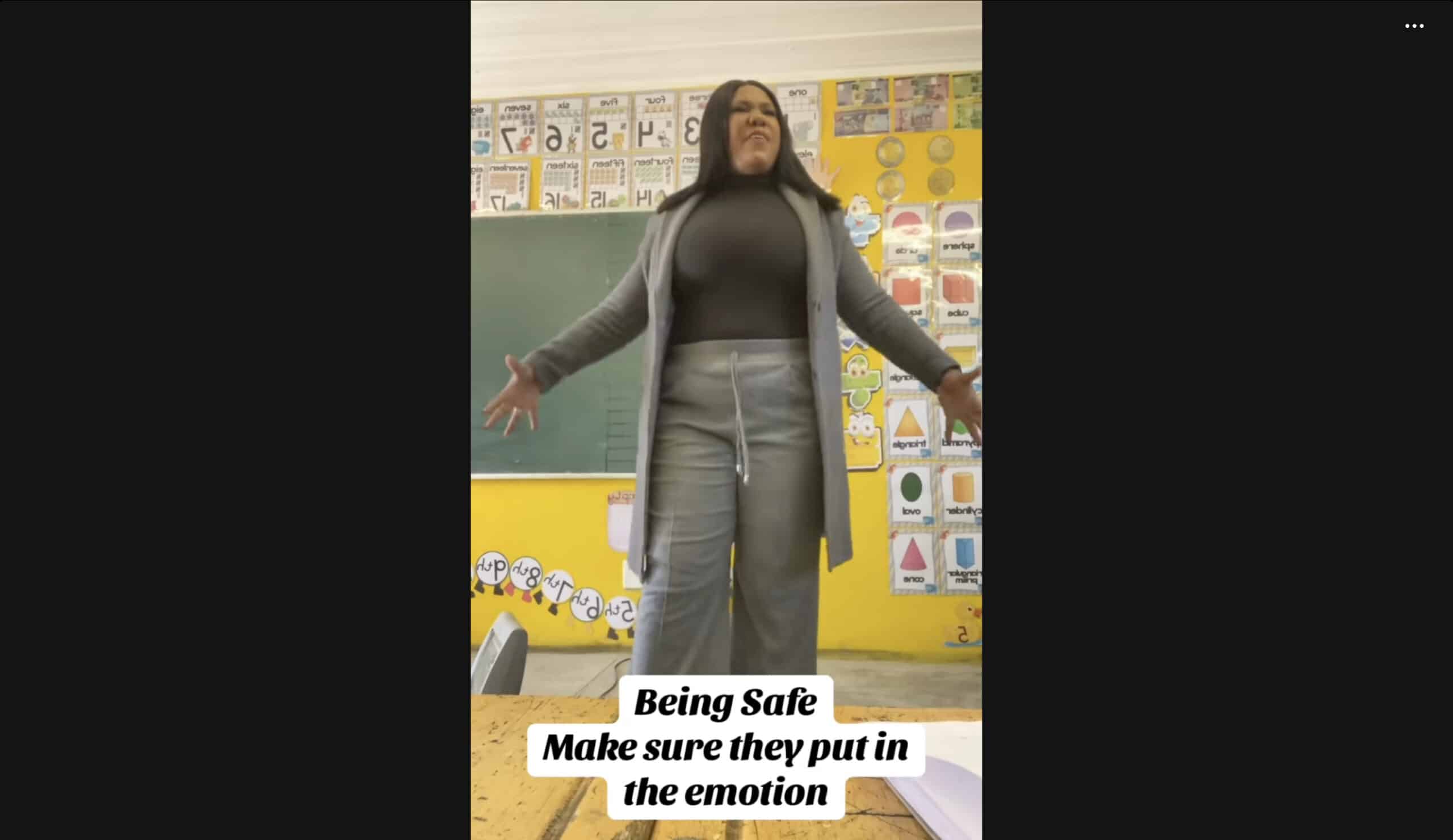
A viral video recently took social media by storm, featuring a classroom of first-graders in Namibia led by an incredibly energetic teacher. In the clip, the teacher leads a powerful, high-energy call-and-response chant: “These are my private parts! Nobody can touch them!” The children don’t just repeat the words; they roar them with a level of confidence and intensity usually reserved for a playground game or a favorite song.
While the sheer volume of the video caught many by surprise, child safety experts are praising the approach. This isn’t just about noise; it’s about building the “muscle memory” of assertiveness that could one day protect a child in a vulnerable situation.
Why the “fierce” delivery matters
When it comes to child safety, the “how” is often just as vital as the “what.” Specialists in pediatric safety note that children frequently resort to giggling or acting silly when discussing “private parts.” This is a natural defense mechanism against discomfort. By turning body safety lessons into high-energy, assertive drills, educators and parents help children push past that awkwardness.
The goal is to move from passive knowledge to active empowerment. If a child only ever hears body safety discussed in hushed, serious tones or embarrassed whispers, they may feel that the topic itself is shameful. By contrast, a loud, fierce delivery teaches them that their voice is a tool of protection. We cannot realistically expect a child to find a “big” voice during a frightening encounter if they have only ever practiced using a “small” voice at home. These “body safety scripts”—short, punchy phrases—give children a pre-loaded response to rely on when they feel uncomfortable.
What parents can do tonight
Bringing this level of empowerment into your own home doesn’t require a classroom setting. You can start reinforcing these boundaries immediately by focusing on a few core principles of autonomy:
- Normalize anatomical terms: Using the correct names for body parts (like penis, vulva, or breasts) is one of the most effective ways to protect a child. Euphemisms and “code words” can create confusion and a sense of secrecy. When children have the vocabulary to speak accurately, they are better equipped to tell a trusted adult exactly what happened if their boundaries are ever crossed.
- Practice “No” without the pressure: Body autonomy starts with the small things. If a child doesn’t want to hug a relative or give a high-five, respect that choice. Teaching them that they have the final say over who touches their body in low-stakes situations builds the confidence they need for high-stakes ones.
- Use the power of rhythm: As seen in the viral video, music and rhythm help information stick. Creating a simple, catchy song about body boundaries—something like “My body belongs to me” set to a familiar nursery rhyme—ensures the message stays top-of-mind. It turns a “scary” lesson into a memorable, empowering anthem.
Breaking the taboo together
For many parents, these conversations feel inherently “cringey” because they likely didn’t have them with their own parents. In many cultures, the topic of body safety was traditionally shrouded in silence or treated as a taboo. However, the shift toward open, direct communication is a massive step forward in abuse prevention.
Experts agree that predators often rely on a child’s silence and their lack of vocabulary. By breaking the silence and replacing it with loud, confident advocacy, parents and teachers are removing the shadow of secrecy. When a child feels empowered to chant about their body safety, they are sending a clear message: they know their rights, they know their value, and they aren’t afraid to speak up.
In conclusion, the viral classroom moment is a powerful reminder that education is most effective when it is engaging and empowering. Moving away from the “stranger danger” fear-based models of the past and toward a model of body autonomy and assertive communication gives children the best possible defense. When we give children the “big voice” to claim ownership of their bodies, we aren’t just teaching them a lesson—we are giving them a lifelong tool for safety and self-respect.