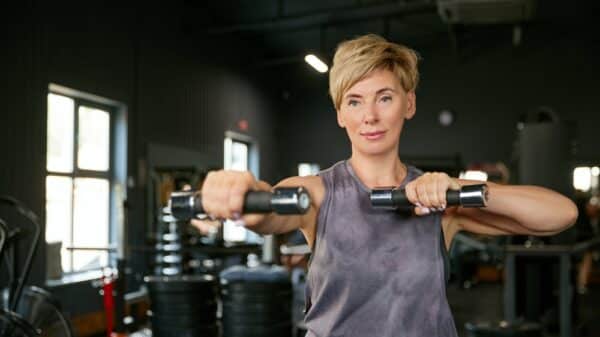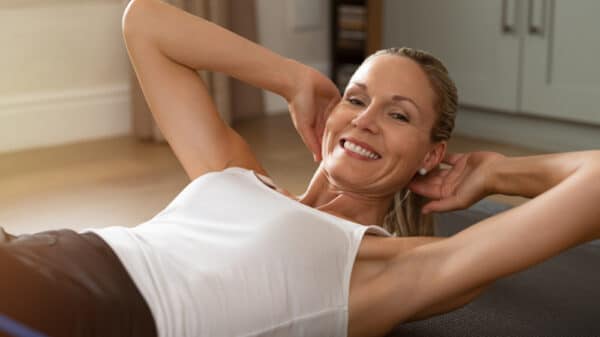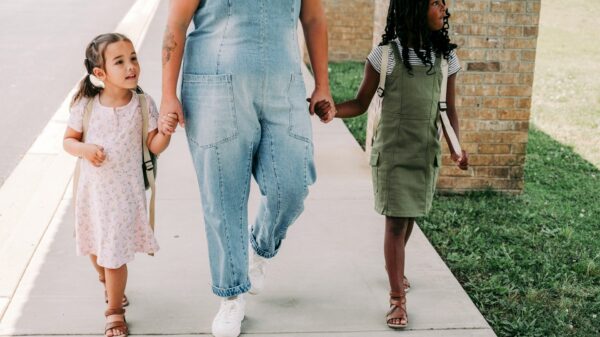














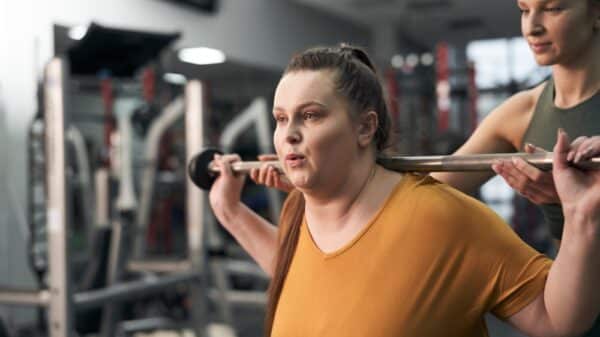




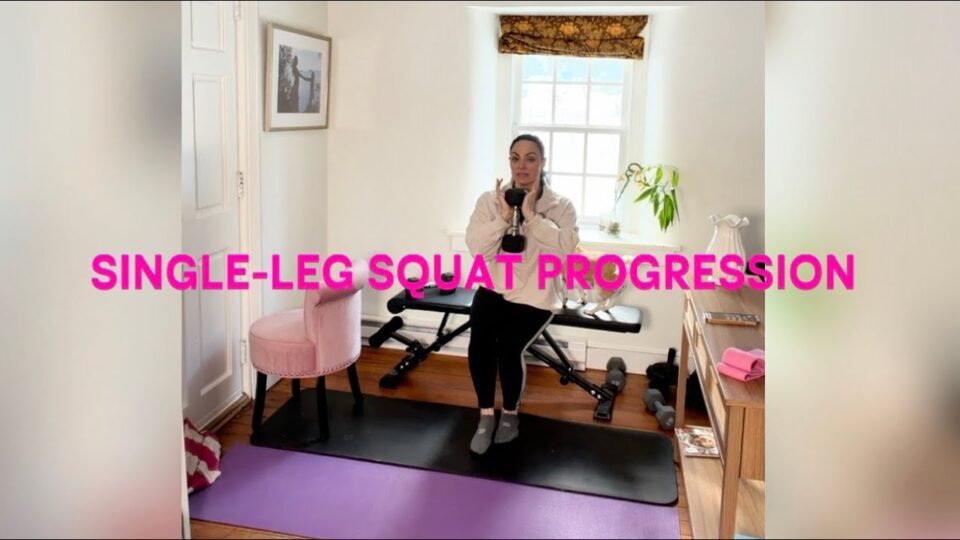

While it might look like a simple balance check, the single-leg squat is actually a masterclass in functional fitness for anyone managing the physical demands of a household. For parents, this movement serves as a vital reality check. Think about the way we naturally move: we often stand with a toddler perched on one hip, haul heavy groceries with a single arm, or lunge across the room to catch a falling glass. These daily habits create “shadow imbalances”—subtle leanings and strengths that favor one side of the body over the other.
Single-leg movements pull these imbalances out of the shadows. By isolating one pillar of support at a time, you force your body to confront its weaknesses rather than letting the dominant side compensate. This isn’t just about looking fit; it is about re-aligning your skeletal structure to prevent the chronic lower back and hip pain that so often plagues busy parents.
Women Over 40: How to Build a Strong Single-Leg Squat (Step-by-Step Progression)
For women navigating their 40s and beyond, strength training is no longer optional—it is a physiological necessity. As estrogen levels begin to fluctuate, our bodies become more susceptible to muscle loss and declining bone density. Developing the capacity for a single-leg squat acts as a high-yield investment in your future mobility. It ensures you can navigate a flight of stairs with a heavy laundry basket, rise from the floor after playing with your kids, and maintain your balance when life literally bumps into you.
By prioritizing unilateral (one-sided) training, you gain several “mom-life” advantages:
- Structural Symmetry: You stop over-relying on your “strong” side, which realigns the pelvis and takes the pressure off your lower spine.
- Bulletproof Joints: By teaching the knee to track properly over the foot, you protect the ligaments that often become vulnerable with age.
- Brain-Body Connection: Balancing on one leg requires intense neurological focus, sharpening the communication between your brain and your muscles.
- Deep Core Stability: Unlike a standard crunch, this exercise forces the stabilizing muscles of your trunk to fire continuously to keep you upright.
If the prospect of a full single-leg squat feels daunting, don’t worry. Strength is a skill that is built in increments. You don’t need to be an athlete to start; you just need a logical path forward. Use this progression to safely build your foundation:
- The Assisted Chair Sit: Use a dining chair or a sturdy bench as your safety net. Lower yourself down onto the seat using one leg while using your hands for light support on a nearby wall or table. This builds the initial “muscle memory” of the movement without the risk of losing your balance.
- The Fingertip Touch: As you grow more confident, use only one or two fingers for balance. This forces your leg to take on nearly the entire load, while your hands provide just enough stability to ensure your knee doesn’t cave inward.
- The “Kickstand” Variation: Perform the squat while keeping the toes of your non-working foot lightly on the floor behind you. This acts like training wheels on a bike—it provides a secondary point of contact for balance while ensuring 90% of your weight is being driven through the working leg.
- The Independent Single-Leg Squat: Shift your full weight to one side. Focus on keeping your chest proud and your hips level. Move slowly and deliberately; speed is often used to mask a lack of control, but slow movement is where the real strength is forged.
- Adding Resistance: Once you can comfortably perform 12 repetitions with perfect form, introduce a light weight. Holding a kettlebell or even a heavy book close to your chest creates a “counterbalance” that can actually help you sink deeper into the squat while further stimulating bone growth.
Patience is your best friend here. Aim for 3 to 4 sets of 12–15 repetitions, focusing on the quality of the movement rather than how many you can do. In this stage of life, the objective is to move with intention and grace, ensuring your body remains a reliable vessel for everything you do.
**Final Thoughts on Longevity and Strength**
Committing to single-leg training is an act of reclaiming your physical power. It is a quiet, daily reminder that your body is resilient and capable of growth at any age. By smoothing out your imbalances and strengthening your foundation, you aren’t just finishing a workout; you are ensuring that you can keep up with the demands of parenting and life for decades to come. Treat your “weaker” side with patience, celebrate the moments where your balance feels rock-solid, and take pride in the strength you are building from the ground up.