
















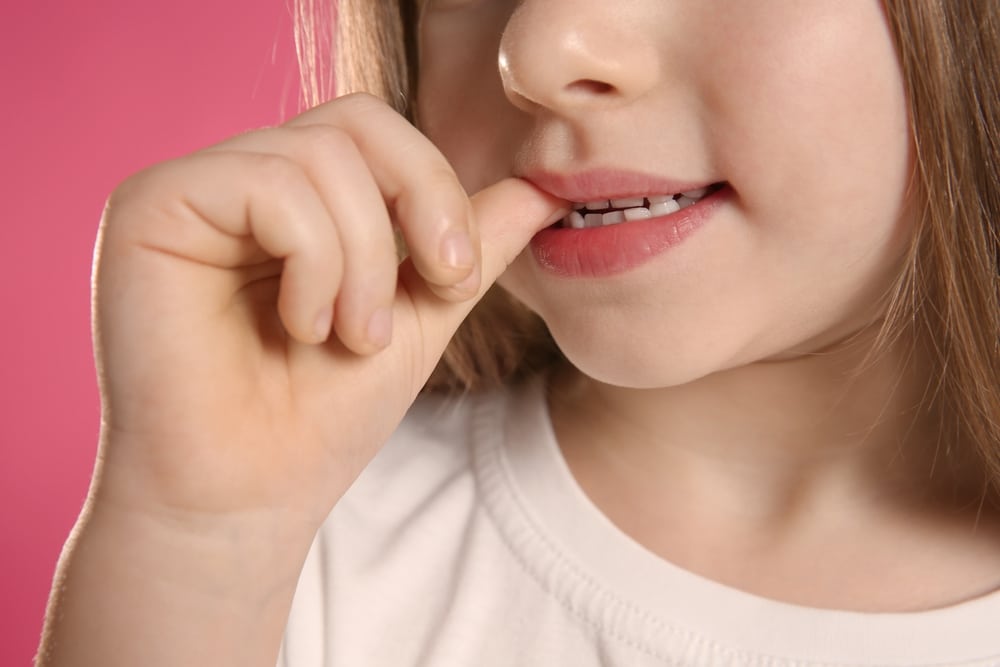
Nail-biting, or onychophagia, often feels like a silent, repetitive rhythm that parents notice at the most unexpected times—in the quiet of a car ride, during a tense moment in a movie, or while a child is deep in thought over homework. It can be frustrating to witness, especially when those tiny nails are worn down to the quick, but viewing this habit through a lens of developmental science rather than “bad behavior” changes the entire dynamic.
Instead of a battle of wills, think of nail-biting as a window into your child’s internal world. It is a physical manifestation of a sensory or emotional need. When we approach it with curiosity rather than a “stop that” command, we move from being the “habit police” to being a supportive coach.
What to know first
The most important thing to realize is that nail-biting is incredibly common. It is rarely an isolated habit; it often travels alongside other “fidget” behaviors like twisting hair, tapping feet, or chewing on shirt collars. For many children, these actions are rhythmic and predictable, providing a sense of grounding when the world feels too loud or too demanding.
Medical experts and developmental specialists often categorize nail-biting as a self-soothing mechanism. It’s a tool children use to regulate their nervous systems. Rather than a sign of a deep-seated problem, it is usually a temporary phase of experimentation or a way to manage environmental stress. When parents lower the temperature of the situation—reducing the focus on the “grossness” or the “damage”—the habit often loses its intensity. By shifting your focus to the “why” behind the bite, you can address the root cause rather than just the symptom.
When is nail-biting more likely
Certain environments and mental states act as “triggers” for the habit loop. You might notice the behavior peaking during:
- Passive downtime: When the mind is wandering during a long commute or while watching television.
- High-concentration tasks: When a child is leaning into a difficult math problem or learning a new skill.
- Daily transitions: The shift from home to school or from playtime to bedtime can create a spike in internal “static” that biting helps soothe.
- Physical discomfort: Sharp edges, hangnails, or dry cuticles often provide a tactile starting point for a nibble.
- Sensory seeking: Children who crave oral-motor input (the feeling of pressure in the jaw) may bite simply because it feels “right” to their nervous system.
Signs it needs closer attention for nail-biting
While most nail-biting is harmless, there are specific “red flags” that suggest the habit is becoming a medical or psychological concern:
- Physical damage such as bleeding, raw skin, or signs of localized infection (swelling/pus).
- The behavior is so frequent that it prevents the child from using their hands for play or schoolwork.
- Noticeable shifts in mood, such as increased withdrawal, persistent sadness, or intense anxiety.
- The child expresses a strong desire to stop but becomes visibly distressed when they cannot control the urge.
- It occurs alongside other repetitive behaviors that might suggest neurodivergence, such as ADHD, autism, or OCD traits.
Why kids bite their nails
Understanding the “why” allows you to choose the right “how” for treatment. Most nail-biting falls into one of these categories:
- Sensory Regulation: Some children have a high “sensory threshold.” The pressure of biting provides proprioceptive input to the jaw, which has a calming effect on the brain.
- Focus Support: Repetitive movement can actually help some brains stay “online” during tasks that require deep focus. It’s essentially a biological fidget spinner.
- The Relief Loop: A hangnail creates a physical “bump” that the child feels a need to “fix” or smooth out with their teeth. Once they start, the temporary relief of removing the snag reinforces the habit.
- Imitation: Children are mirrors. If a parent or older sibling bites their nails during stress, the child may subconsciously adopt the same coping mechanism.
A gentle step-by-step plan
Replacing a habit takes time, patience, and a “low-shame” approach. Here is how to build a supportive structure at home:
1) Observe without judgment
Before you intervene, become a detective. For a few days, keep a mental (or digital) log. Does it happen during the “witching hour” before dinner? Is it only during scary movies? Identifying the pattern allows you to intervene *before* the fingers reach the mouth.
Parenting Script: “I’ve noticed that when we sit down for homework, your fingers like to stay busy near your mouth. It looks like your body is trying to help you concentrate. Let’s see if we can find another way to help your brain focus.”
2) Lower the stakes
When we say “Stop biting!” we often increase the child’s cortisol (stress hormone) levels. Since they bite to *reduce* stress, this creates a vicious cycle.
- Use “Positive Redirection”: Instead of “Stop that,” try “Let’s give your hands a job.”
- Create a “Secret Signal”: A gentle touch on the shoulder or a specific “code word” allows you to remind them in public without embarrassing them.
- Celebrate the “Small Wins”: Praise the effort of using a fidget tool rather than just focusing on the length of the nails.
3) Care for the nails
A “preemptive strike” in nail care can eliminate the triggers for biting. If there are no snags, there is less temptation to “fix” them with teeth.
- Keep a “Smoothness Standard”: Trim nails short and use a fine-grit file to ensure there are no rough edges.
- Hydration: Use a simple cuticle balm or coconut oil. This keeps the skin supple and prevents the dry, peeling bits that children often pick at.
- Positive Association: Spend time together doing “mini-manicures”—even just a soak and a massage—to make nail health feel like a treat rather than a chore.
4) Add better-feeling substitutes
You cannot just take a habit away; you must replace it with something that provides a similar sensory “payoff.”
Oral Alternatives (for the “mouth seekers”):
- Chewable jewelry (BPA-free silicone) designed for sensory needs.
- Crunchy, healthy snacks like frozen grapes, celery, or pretzels during “high-risk” times.
- Drinking through a narrow straw to provide resistance and jaw input.
Manual Alternatives (for the “hand seekers”):
- Kneadable “therapy putty” or playdough.
- A “worry stone” with a smooth indentation to rub.
- Texture stickers (sensory strips) placed on the back of a tablet or desk.
5) Use habit reversal, kid-style for nail-biting
Habit Reversal Training (HRT) is a gold-standard behavioral technique. For kids, we make it a game:
- Catch the Urge: Help the child recognize the “tingly” or “tight” feeling in their fingers before they bite.
- The Detour: When they feel the urge, they do a “competing response.” This could be sitting on their hands, making a fist, or clasping their hands together for 30 seconds.
- The Win: Use a simple sticker chart or an extra five minutes of play for every time they successfully chose the “detour.”
6) Support the whole child
A regulated body is less likely to fall back on compulsive habits. Ensure the “Big Three” are in balance:
- Sleep: Exhaustion lowers impulse control.
- Movement: “Heavy work” (climbing, pushing, carrying groceries) provides the body with the sensory input it might be seeking through biting.
- Predictability: Visual schedules help anxious children feel in control, reducing the need for self-soothing.
7) Partner with the school and caregivers
If your child is biting at school, ensure their teacher is on board with the “support, don’t scold” philosophy. Ask if the child can keep a small, quiet fidget in their desk or if they can have a “movement break” when they seem to be biting during lessons. Consistency across all environments speeds up the fading of the habit.
Real-life tweaks when things get messy
Life isn’t perfect, and some days the habit will flare up. When that happens:
- Avoid the “Power Struggle”: If they are having a high-stress week, let the nail-biting go for a few days and focus on emotional connection instead.
- Check for Secrecy: If a child starts hiding their hands, it’s a sign they feel judged. Back off the “corrections” and return to “connection.”
- The Nighttime Routine: If biting happens in bed, try a heavy “weighted” blanket or a hand massage with soothing lavender lotion to ground them before sleep.
When to call a pro
If the habit is causing physical pain or significant social distress, it is time to build a professional support team.
- Pediatrician: To rule out nutritional deficiencies (like iron or zinc) which can sometimes trigger chewing behaviors.
- Occupational Therapist (OT): The “secret weapon” for nail-biting. They can create a “sensory diet” to give your child the input they need in healthy ways.
- Child Therapist: If the biting is a symptom of anxiety or OCD, a therapist can provide Cognitive Behavioral Therapy (CBT) tailored for children.
Short scripts you can borrow
- “I see your hands are looking for something to do. Should we grab the putty?”
- “It’s okay that this is hard. We’re retraining your brain together.”
- “Let’s check in—does your body feel ‘buzzy’ or calm right now?”
- “I noticed you kept your hands on your lap during the whole movie. Your focus is getting so strong!”
A quick checklist for busy days
- Morning “Smooth Check”: Are nails trimmed and filed?
- Fidget Check: Does the backpack have a sensory tool?
- Signal Check: Did we agree on our secret code for today?
- Praise Check: Did I find one moment to compliment their effort?
The bottom line
Nail-biting is rarely a sign of a “problem child”—it’s a sign of a child trying to manage their world. By treating it as a sensory puzzle to be solved rather than a behavior to be punished, you preserve your relationship with your child. Your goal isn’t just perfect fingernails; it’s a child who knows how to listen to their body and ask for what they need. When you lead with empathy, the habit eventually fades, but the trust you build remains.