



















A decade ago, my knowledge of potassium was limited to the occasional banana after a workout to prevent leg cramps. Like many parents, I was focused on the big-picture nutrients—protein, healthy fats, and maybe a multivitamin—without truly understanding the intricate “electrical” system that keeps our bodies running. It wasn’t until I began diving into the world of minerals that I realized potassium is perhaps the most neglected hero of the wellness puzzle.
In our modern world, we face a peculiar paradox: many of us are overfed but undernourished. We consume a surplus of calories, yet we are often starving for the cellular spark plugs that regulate our energy, stress levels, and heartbeat. When we lose touch with the mineral-rich foods our ancestors naturally consumed—such as root vegetables, bone broths, and wild fruits—we develop what I think of as a “cellular disconnect.” Reclaiming my health meant intentionally bringing potassium back into the fold, and the shift in my mood and resilience was nothing short of transformative.
Why Potassium Is So Important
To understand potassium, you have to think of yourself as more than just a chemical being; you are an electrical one. Potassium is the primary “intracellular” electrolyte, meaning it lives inside your cells, while sodium resides primarily on the outside. This tension between the two creates the electrical charge that allows your heart to beat, your muscles to flex, and your brain to send signals.
When I’m coaching parents on vitality, I use a simple shorthand for the three major electrolytes: sodium is the “charger” that gets things moving, magnesium is the “relaxer” that eases tension, and potassium is the “balancer” that stabilizes the entire system. Without enough potassium, your body’s internal “wiring” becomes unstable. This instability often manifests as that familiar feeling of being “tired but wired,” where your systems are firing but nothing feels smooth or efficient.
Understanding the Sodium-Potassium Pump
The most incredible aspect of this mineral is its role in the “sodium-potassium pump.” This is a biological mechanism that works 24/7, tirelessly moving ions back and forth across cell membranes to maintain electrical equilibrium. It is so essential that your body actually spends a massive portion of its total daily energy just keeping these pumps running.
When potassium stores are depleted, this pump becomes sluggish. Think of it like a revolving door that’s lost its momentum; everything slows down. This is why a deficiency isn’t just about a muscle twitch—it’s about a total system slowdown that can lead to chronic fatigue, brain fog, and a metabolic rate that feels like it’s stuck in first gear. We often look to hormones or caffeine to fix these issues, but sometimes the body just needs the raw mineral power to keep the lights on.
Calming Potassium For the Nervous System
As parents, we are often living in a state of high alert. Potassium is a vital ally here because it helps “reset” our nerves. While sodium triggers a nerve to fire, potassium is what allows it to return to a resting state. Without that reset, your nervous system can stay in a heightened, reactive state for far too long.
If you’ve ever felt internal shakiness, unexplained anxiety, or heart palpitations, your body might be screaming for more potassium to help dampen that “fight-or-flight” response. When I prioritized my mineral intake, I found that I didn’t have to “try” as hard to be calm. My nervous system simply felt safer and more resilient, allowing me to handle the daily chaos of family life with more grace and less reactivity.
The Potassium and Blood Sugar Connection
One of the most overlooked aspects of metabolic health is how potassium influences blood sugar. Your cells actually require potassium to “unlock” the door for glucose to enter. If potassium is low, insulin can’t do its job effectively, leading the body to pump out even more insulin to get the same result. This can mimic the symptoms of insulin resistance, even if your diet is relatively clean.
This connection is particularly critical during life’s most demanding transitions—like the postpartum period or perimenopause—when our mineral needs skyrocket. If you’re struggling with energy crashes or sugar cravings, it might not just be a lack of willpower; it could be a lack of the minerals required to process your energy correctly.
Why Potassium is a Missing Piece For Many
Modern guidelines suggest adults need between 3,400 and 4,700 milligrams of potassium daily, yet the vast majority of us fail to reach even the halfway mark. Our soil is more depleted than it was a century ago, and our reliance on shelf-stable, processed foods has skewed our sodium-to-potassium ratio significantly.
Furthermore, many popular health trends can inadvertently worsen the problem. For instance, strict low-carb diets often eliminate some of the best potassium sources, like starchy tubers and certain fruits. Add in the fact that chronic stress causes our kidneys to flush out potassium via cortisol pathways, and it’s easy to see why so many of us are running on empty. Stress literally drains your mineral tank.
Potassium and Digestive Health
If your digestion feels “lazy,” potassium might be the answer. The smooth muscles of the digestive tract rely on this mineral to create the rhythmic contractions (peristalsis) that move food through your system. Low levels often lead to bloating, constipation, and a general feeling of heaviness. While we usually reach for more fiber or probiotics, we shouldn’t forget that the muscles of the gut need “electricity” to work, and that electricity comes from electrolytes.
Signs You Have Low Potassium
Identifying a deficiency can be tricky because standard blood tests often show “normal” levels even when cellular stores are low. The body will pull potassium out of the cells to keep blood levels stable because a shift in blood potassium is a medical emergency. Therefore, we have to look at the “whispers” of the body:
- Persistent fatigue that doesn’t resolve with sleep
- Frequent muscle cramps or “charley horses”
- Sluggish digestion and chronic bloating
- Erratic blood sugar swings and energy crashes
- Heart palpitations or a “pounding” sensation in the chest
- Feeling “jittery” or internally anxious
- Edema (fluid retention) and intense cravings for salt
Potassium, Sodium, and Magnesium Play Well Together
Minerals never work in isolation; they are a team. I call them the “Electrolyte Trifecta.” If you take high doses of magnesium but still feel sluggish, or if you eat plenty of salt but still feel dehydrated, potassium might be the missing link. When potassium is low, the body struggles to keep sodium in the right places, often leading to puffiness and high blood pressure. Balancing these three minerals together is the secret to true cellular hydration.
Best Food Sources of Potassium
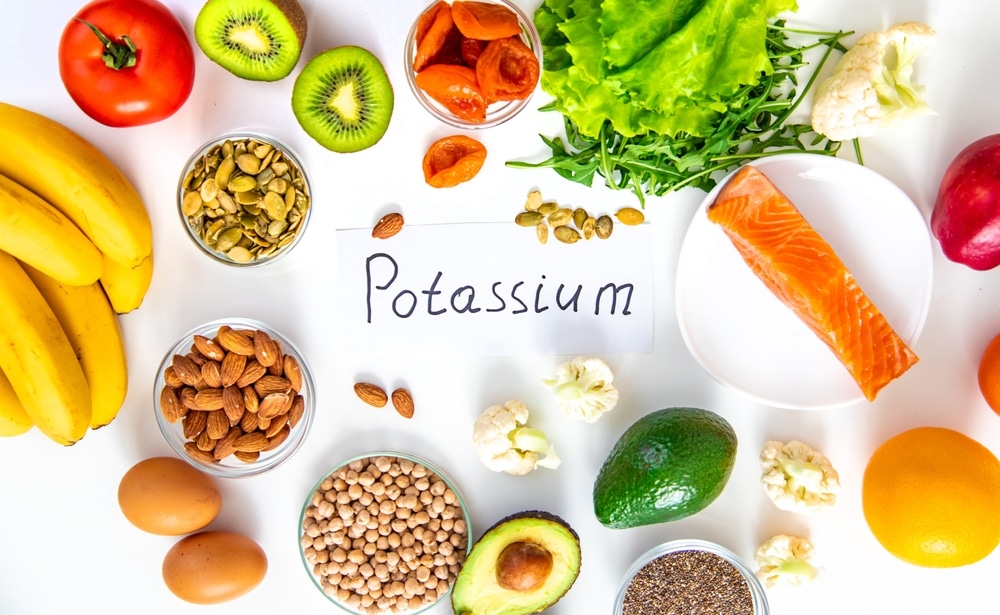
While bananas are the “poster child” for potassium, they aren’t actually the best source. To truly move the needle, you’ll want to incorporate a variety of whole foods. Some of the most potent sources include:
- Potatoes and Sweet Potatoes: Excellent, bioavailable sources.
- Avocados: High in both healthy fats and minerals.
- Coconut Water: Nature’s “sports drink.”
- White Beans: A powerhouse of potassium and fiber.
- Cooked Spinach and Chard: Concentrated mineral density.
- Beets and Pomegranates: Great for circulation and electrolytes.
- Winter Squash: A perfect seasonal source for the colder months.
A Note About Potassium Supplements
Because potassium has such a direct impact on the heart’s rhythm, I always recommend a “food-first” approach. Unlike magnesium, which the body can generally handle in large amounts, potassium levels shouldn’t be spiked artificially with high-dose pills unless under medical supervision. Most over-the-counter supplements are capped at 99mg for this reason. I personally use balanced electrolyte powders and mineral-rich foods to keep my levels steady without the risks associated with isolated high-dose supplementation.
Potassium and the “Electrical Body”
Ultimately, keeping your potassium levels optimized is about respecting the “Electrical Body.” When we provide our cells with the minerals they need to communicate, everything functions with less effort. Your heart beats more steadily, your brain stays sharper, and your muscles recover faster. It is the foundation of physical resilience.
Final Thoughts on Potassium
Addressing my mineral balance was a turning point in my wellness journey. By moving beyond calories and macros to focus on the essential electrolytes that power our cells, I found a level of energy and calm that I didn’t think was possible in the “busy” years of parenting. Potassium isn’t just a nutrient; it’s the stabilizer that keeps our internal world in harmony. By prioritizing potassium-rich whole foods and managing stress, we can give our bodies the electrical support they need to truly thrive.
Are you making an effort to include potassium-rich foods in your family’s meals? Whether it’s swapping a snack for an avocado or adding coconut water to your post-workout routine, small shifts can lead to big changes in how you feel!