



















Preparing for the arrival of a new family member is one of the most transformative periods in a person’s life. While the biological process of birth is natural, navigating the modern medical landscape and the physical demands of labor requires more than just intuition—it requires a solid foundation of knowledge. Choosing a childbirth education course is a pivotal step in this journey. Whether you are leaning toward a traditional hospital-led program or a specialized independent class focusing on mindfulness and functional movement, the goal is to transform “the unknown” into a manageable, empowering experience. A high-quality course does more than just explain biology; it provides you with a toolkit for advocacy, pain management, and partner synergy.
1. Identify Your Priorities
Before you begin scrolling through local listings or online modules, sit down and define what success looks like for you. Are you looking to minimize medical interventions, or are you primarily concerned with understanding how an epidural works? Perhaps your main goal is to ensure your partner feels like an active participant rather than an observer. Pinpointing your top three objectives—such as “mastering pelvic floor mobility” or “learning advocacy scripts”—will help you filter out classes that don’t align with your vision. If a curriculum seems too vague, ask the instructor for a detailed syllabus to ensure your specific needs will be addressed.
2. Assess Instructor Qualifications and Teaching Methods
The person leading the room (or the Zoom call) significantly impacts your confidence levels. Look for educators with recognized credentials, such as Lamaze Certified Childbirth Educators (LCCE), Registered Nurses (RN), Certified Nurse-Midwives (CNM), or experienced doulas and pelvic floor physical therapists. Beyond their resume, consider their teaching style. Do they use inclusive language? Do they provide hands-on demonstrations? A great instructor should leave you feeling grounded and capable, not overwhelmed by “what-ifs.” If possible, watch an introductory clip of their teaching to see if their energy resonates with yours.
3. Class Format and Schedule
Life doesn’t stop during pregnancy, so the logistics of the class must fit your lifestyle. Some parents prefer a “one-and-done” weekend intensive, while others benefit from a multi-week series that allows time to process information between sessions. Many modern programs offer a hybrid approach, combining pre-recorded videos with live Q&A sessions. Ideally, you should aim to complete your coursework about four to six weeks before your due date. This window provides enough time to practice your new skills while you are still physically comfortable enough to move around easily.
4. Movement Techniques Relevant to Real Labor
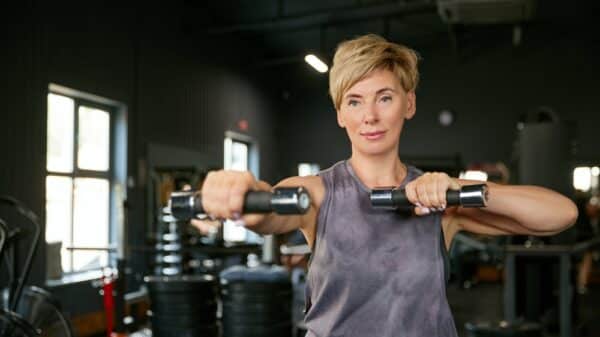
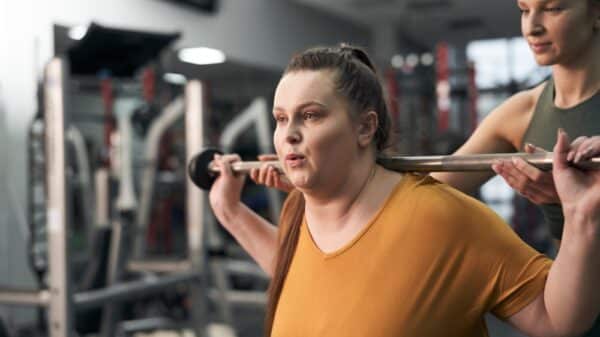
Labor is a dynamic physical event. If you are interested in a movement-heavy approach, ensure the class covers functional positions like lunges, asymmetrical squats, and hip circles. These movements aren’t just about exercise; they are about using gravity and pelvic alignment to help the baby navigate the birth canal. A quality course will also teach your partner how to provide physical support through counterpressure and anchoring, ensuring they know exactly where to place their hands when the intensity increases.
5. A Comprehensive Pain-Coping Toolkit
There is no “right” way to manage the sensations of labor, so your education should offer a variety of options. A well-rounded toolkit includes rhythmic breathing patterns, vocalization techniques, visualization, and the use of hydrotherapy or heat/cold packs. Instead of just hearing about these methods, you should be given “scripts” or specific cues. For example, a partner might learn to say, “Relax your jaw and follow my breath,” providing a concrete action during a high-stress moment.
6. Insight into Hospital Policies and Advocacy Skills
Understanding the “why” behind standard hospital protocols is essential for informed consent. Even if you are planning a home birth, knowing how hospital systems operate can be invaluable if a transfer becomes necessary. Look for a class that teaches you how to ask the right questions—risks, benefits, and alternatives—of your medical team. Empowerment comes from knowing that you have a voice in the room and that your partner is equipped to protect your birth space by saying, “We need a few minutes to discuss this privately.”
7. Addressing Induction, Epidurals, and Unexpected Changes
A realistic birth class doesn’t shy away from the fact that plans sometimes change. It should provide evidence-based information on medical inductions, the timing of epidurals, and the process of an unplanned Cesarean birth. The goal isn’t to create fear, but to remove the stigma and shock from these scenarios. When you understand the “how” and “why” of medical interventions, you can maintain a sense of agency and calm, even if the path to meeting your baby takes an unexpected turn.
8. Ensuring Inclusive Care and Partner Involvement
Childbirth education should be a “we” experience. Modern classes should explicitly involve the partner or support person, giving them tangible jobs like timing contractions, managing hydration, and setting the environment. Furthermore, inclusivity matters. The language used in the class should reflect the reality of modern families, ensuring that solo parents, LGBTQ+ families, and diverse backgrounds feel seen and respected. When everyone in the room feels they belong, the learning environment becomes much more effective.
9. Postpartum Support Integrated into the Curriculum
The story doesn’t end when the baby is born. The “Fourth Trimester” is a period of intense recovery and adjustment. A truly comprehensive course will dedicate time to the first two weeks of life at home. This includes what to expect regarding physical healing (such as perineal care), newborn sleep patterns, and feeding strategies. Knowing when to call a lactation consultant or a mental health professional before you are in the thick of a crisis can make the transition to parenthood significantly smoother.
10. Practice Opportunities, Materials, and Ongoing Support
Knowledge is only useful if you can remember it in the heat of the moment. Look for courses that provide take-home resources like position cheat sheets, partner cue cards, or access to a video library for review. The best preparation involves “muscle memory,” which is built through consistent practice. Ask if the instructor offers follow-up support or a community group where you can ask questions as your due date approaches.
Checklist for Your Decision-Making Process
To ensure you’ve found the right fit, run through this final checklist: Do the course goals align with my top three priorities? Is the instructor’s background verified and their tone supportive? Does the schedule allow for completion well before the due date? Does the curriculum include physical movement, pain management, advocacy, and postpartum care? Are there tangible materials for home practice? If you can answer “yes” to these, you are likely on the right track.
The journey toward parenthood is rarely a straight line, but education acts as your compass. By taking the time to vet your childbirth class and commit to the practice, you aren’t just preparing for a single day; you are building the confidence and resilience that will serve you throughout your entire parenting life. You have the strength and the intuition for this—the right class simply helps you unlock it.