



















Starting solids is a major developmental leap that often brings a mix of excitement and anxiety for parents. While your social media feed might be flooded with “must-have” high chairs and aesthetic silicone plates, the reality is that mealtime safety boils down to a few fundamental habits rather than expensive gear. Pediatric feeding specialists and injury-prevention experts emphasize that creating a secure environment allows your baby to focus on the complex task of learning to eat.
The goal is to foster a calm, manageable routine where your baby feels supported. By prioritizing posture, intentional food preparation, and a distraction-free zone, you can significantly lower the risks associated with this milestone. Here are five essential safety checks to integrate into your daily kitchen rhythm.
1. Buckle, plant those feet, and sit fully upright when baby starts solids
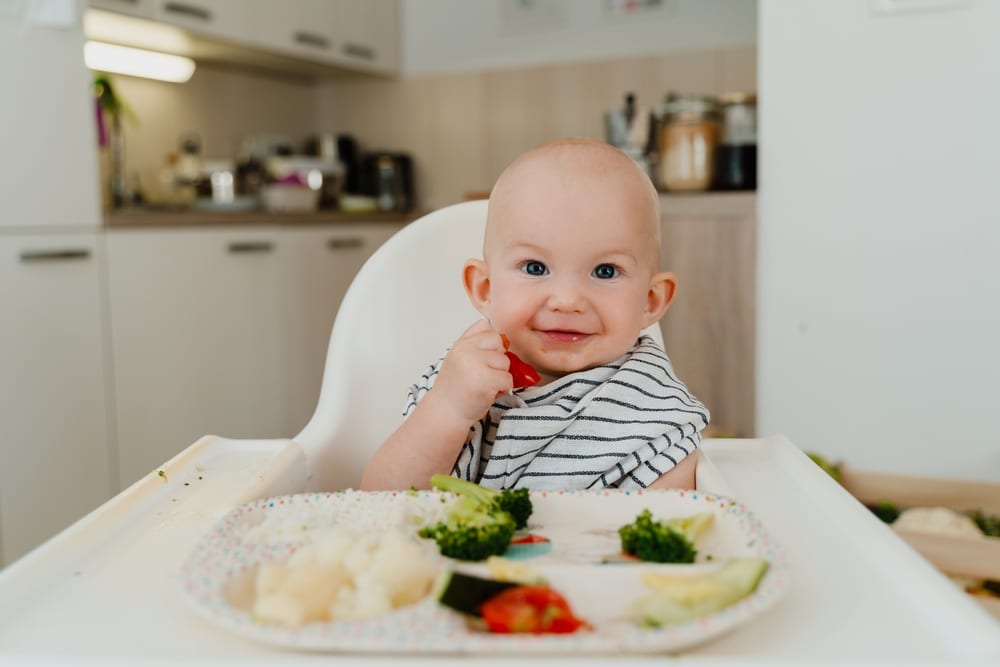
The way your baby sits determines how effectively they can swallow. Swallowing is a complex physical coordination that requires core stability. If a baby is leaning back or slumping, their airway isn’t optimally aligned, which increases the risk of choking. Experts recommend the “90-90-90” rule: the hips, knees, and ankles should all be bent at right angles.
A stable footrest is the most underrated tool in your feeding arsenal. When a baby’s feet are dangling, they often feel insecure and may fidget or “trunk-slump,” making it harder to manage food in their mouth. If your high chair doesn’t have a footrest, you can easily DIY one by strapping a sturdy box or a stack of books to the chair frame.
**Quick Stability Audit:**
- Always click the five-point or three-point harness to prevent slips.
- Ensure the seat back is strictly vertical, never reclined.
- Adjust the tray so your baby’s elbows can rest naturally, allowing them to reach food without straining.
- Keep the chair away from walls or counters that the baby could push off from, potentially tipping the chair.
2. Clear the “grab zone” of hot, sharp, or tippy items
Babies are remarkably fast and their reach is often longer than we expect. Before bringing your child to the table, scan the “grab zone”—the 360-degree radius around the high chair. This isn’t just about kitchen safety; it’s about removing distractions so the baby can focus on their meal.
Common overlooked hazards include steaming cups of coffee, kitchen shears left on the counter, or even the colorful caps from food pouches which are major choking risks. Additionally, keep family pets in a separate room during the initial stages of feeding to prevent sudden movements that might startle the baby while they are swallowing.
**The “Safe Radius” Sweep:**
- Move all hot liquids and sharp utensils out of arm’s length.
- Check for dangling cords (from blenders or kettles) and tablecloth edges.
- Keep your own plate and glass far enough away that a sudden lunge won’t result in a spill.
3. Shape and texture matter more than “hard vs soft”
When it comes to choking prevention, the shape of the food is often more dangerous than the density. Round, slippery, or coin-shaped foods are the perfect diameter to plug a child’s small airway. Even “soft” foods like grapes or marshmallows can be hazardous because they can mold to the shape of the trachea.
According to the CDC and the American Academy of Pediatrics, the key is to modify these shapes to make them “finger-friendly” and easily “squishable.” A good rule of thumb is the “smush test”: if you can easily flatten the food between your thumb and forefinger, it is generally safe for a baby to gum or chew.
**How to safely modify high-risk foods:**
- Grapes and Cherry Tomatoes: Always quarter them lengthwise into thin slivers.
- Blueberries: Give them a gentle squeeze to break the skin and flatten the round shape.
- Hot Dogs and Sausages: Never serve in round “coins.” Slice them lengthwise into very thin strips.
- Nut Butters: Avoid giving a “glob” on a spoon, which can be difficult to swallow. Spread it thinly on a piece of toast or stir it into purees.
- Bread and Rice: Fresh white bread can become a gummy ball in the mouth; toasted “fingers” are often easier for beginners to manage.
4. Serve small portions and slow the pace
Overloading a high chair tray can lead to “shoveling,” where a baby stuffs too much food into their mouth at once. This behavior significantly increases the risk of gagging or choking. Instead, start with just one or two pieces of food at a time. This encourages the baby to take their time, explore the texture, and practice their “pincer grasp.”
Pacing is also about your interaction. While it’s tempting to keep the meal moving, try to follow your baby’s lead. If they are still chewing, wait. If they turn their head away, they are likely finished. Avoid using screens or loud toys to “distract-feed,” as a baby who isn’t paying attention to the food in their mouth is at a higher risk of a swallowing mishap.
**Strategic Feeding Tips:**
- Offer finger foods in pieces about the size of an adult pinky finger.
- If using a spoon, offer a small amount and wait for the baby to open their mouth rather than “aiming” for it.
- Use verbal cues like, “I see you’re chewing,” to keep yourself present and observant.
5. Prep for allergies and choking like a seatbelt
Preparation is the best antidote to parenting anxiety. Think of learning infant CPR and allergy protocols like wearing a seatbelt: you hope you never need it, but you’re glad it’s there. When introducing common allergens (like eggs, peanuts, or dairy), do so at home during the morning or lunch hours. This gives you the entire day to monitor for reactions like hives, swelling, or vomiting.
It is also vital to distinguish between **gagging** and **choking**. Gagging is a normal, noisy, and protective reflex where the baby pushes food forward to prevent it from entering the airway. Choking is often silent or involves a high-pitched wheeze because the airway is blocked. Knowing this difference helps you remain calm and avoid unnecessary “finger sweeps,” which can accidentally push food deeper.
**Your Emergency Toolkit:**
- Save your pediatrician’s number and the nearest pediatric ER in your phone.
- Enroll in an infant CPR and First Aid course (online or in-person).
- Have a clear plan for introducing allergens: one at a time, in small amounts, while the baby is healthy.
In summary, the transition to solid foods is a learning curve for both the parent and the child. You don’t need a perfect kitchen or gourmet recipes to succeed; you simply need a safe foundation. By focusing on upright posture, removing hazards from the reach zone, modifying food shapes, and pacing the meal, you create a space where your baby can safely explore the world of flavor. Trust your instincts, stay present, and remember that each meal is a step toward your child’s independence.