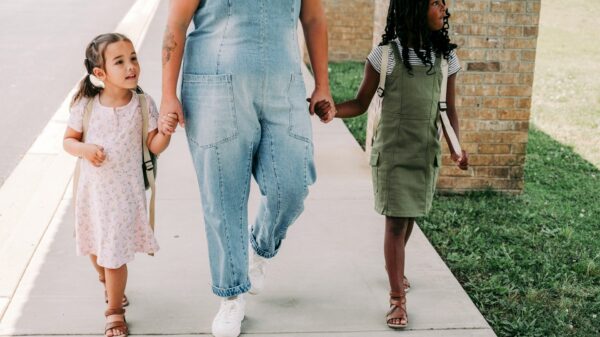





















Building a family through adoption is a journey that transcends legal decrees and court dates; it is a profound transformation of the heart. It is a commitment that weaves together disparate histories, deep-seated emotions, and the hopeful architecture of a shared future. For those walking this path, parenting is less about reaching a destination and more about cultivating a resilient, lifelong bond that honors a child’s roots while nurturing their growth.
In this journey, love isn’t just a feeling—it is an active, evolving practice. Here are twelve foundational lessons that adoption teaches us about the true nature of family, along with practical ways to integrate these insights into your daily life.
1. Love honors the full spectrum of a child’s history
Adoption is built on a “both/and” reality: there is the joy of a new family and the inherent loss of a previous one. True love doesn’t ask a child to forget where they came from to belong where they are. By acknowledging that your child’s story began before you met, you validate their identity.
**Try this:** Create a “Lifebook” together. Unlike a traditional baby book, this includes photos, maps, or drawings of their birthplace and early caregivers. Use it as a tool to say, “Your history is a treasure, and we hold it with you.”
2. Love moves at the speed of trust
Every child processes their adoption story differently. Some crave information early, while others need time to feel secure before asking questions. Openness isn’t just about contact with birth relatives; it’s about an internal state of honesty within the home.
**Try this:** Periodically “check the temperature” of your communication. Ask yourself, “Is the door to this topic always unlocked, or am I waiting for my child to find the key?” Make adoption a casual, recurring topic of conversation so it never feels like a “big reveal.”
3. Love uses clear and empowering language
The words we choose shape a child’s self-worth. Vague or euphemistic language can inadvertently create a sense of shame or confusion. Using accurate, positive adoption language helps children articulate their own experiences with confidence.
**Try this:** Audit your vocabulary. Shift from “real parents” to “birth parents” or “biological parents.” Instead of saying a child was “given up,” use “placed for adoption” or “an adoption plan was made.” This places the agency on the adults and removes the burden of “rejection” from the child.
4. Love stays ahead of the curiosity
Waiting for a child to ask about their adoption can sometimes signal to them that the topic is taboo. By being proactive, you demonstrate that you are a safe harbor for their toughest questions and most complex feelings.
**Try this:** Use “narrative bridges.” When you see a family in a movie or a book that looks different from yours, use it as a low-pressure way to talk about your own family structure. “They have a different story, just like we do. Isn’t it wonderful how many ways there are to be a family?”
5. Love holds space for conflicting emotions
A child can be happy in their current home and deeply sad about their origins at the same time. Love doesn’t try to “fix” the sadness or demand constant gratitude. It simply sits beside the child in the midst of the complexity.
**Try this:** Practice emotional labeling. When a child is struggling, instead of jumping to a solution, try saying, “It makes sense that you feel a little sad today. You can miss your birth family and love us at the same time. I can handle both of those feelings.”
6. Love champions identity and cultural mirrors
In transracial or transcultural adoptions, love requires an active commitment to racial socialization. It is not enough to be “colorblind”; children need to see themselves reflected in their community, their mentors, and their daily environment to develop a robust sense of self.
**Try this:** Intentionally diversify your “inner circle.” Ensure your child’s doctors, teachers, and hair stylists include people who share their heritage. This shows your child that their identity is not an outlier in your family, but something you actively celebrate and support.
7. Love respects the boundary between privacy and secrecy
There is a vital difference between a secret (which implies shame) and privacy (which implies ownership). Your child’s adoption details belong to them. While you should be open within the family, you must also be the gatekeeper of their story to the outside world.
**Try this:** Develop a “family script” for intrusive questions from strangers or acquaintances. Something as simple as, “That’s a private part of our story that we’re keeping for [Child’s Name] to share if they choose,” empowers your child and sets a healthy boundary.
8. Love speaks of birth families with dignity
How you speak about a child’s birth family is how they will eventually feel about themselves, as they see those parents reflected in their own DNA. Even in difficult circumstances, maintaining a tone of respect protects your child’s self-esteem.
**Try this:** Focus on the “shared love” for the child. You might say, “Your birth mother made a very hard choice because she wanted you to have things she couldn’t give you at that time. We both want you to be safe and happy.”
9. Love recognizes that grief has no expiration date
Grief in adoption is often “disenfranchised”—it isn’t always recognized by society. It may resurface during developmental milestones, like hitting puberty or graduating. Understanding that loss is a recurring cycle helps you respond with patience rather than frustration.
**Try this:** Be extra mindful during “trigger seasons,” such as Mother’s Day or the anniversary of their placement. Acknowledge the day with a small gesture, like lighting a candle or saying a prayer for their birth family, to let them know their invisible feelings are seen.
10. Love advocates with persistent grace
From school assignments about “family trees” to medical forms that ask for genetic history, the world is often designed for biological families. Love means standing in the gap and educating others so your child doesn’t have to explain themselves constantly.
**Try this:** Proactively email teachers at the start of the year. Provide them with resources on how to make “family heritage” projects inclusive for adoptive and foster families. You are your child’s first and most important advocate.
11. Love prioritizes attachment over perfection
The “perfect” parent is a myth. What children need is a “predictable” parent. Attachment is built in the “rupture and repair”—the moments where we get it wrong, apologize, and try again. This builds a foundation of psychological safety.
**Try this:** Focus on “time-ins” rather than “time-outs.” When behaviors are challenging, keep the child close to regulate their nervous system. Say, “I can see you’re having a hard time. Let’s sit together until you feel a little calmer.”
12. Love views the journey as an ongoing dialogue
Adoption is not a one-time event; it is a lifelong process of integration. As your child grows, their understanding of what adoption means will shift. Love stays curious and remains committed to the conversation for the long haul.
**Try this:** Schedule a “Heart-to-Heart” check-in once a year—perhaps around the anniversary of your family’s finalization. Ask open-ended questions like, “Is there anything about your story you’ve been thinking about lately?” This keeps the lines of communication wide open.
Ultimately, the love found in adoption is a testament to the fact that family is forged through choice, consistency, and a deep respect for the human spirit. It is a path that requires courage and humility, but the reward is a bond that is as unbreakable as it is beautiful. By embracing these lessons, you aren’t just raising a child; you are building a legacy of belonging that will sustain them for a lifetime.