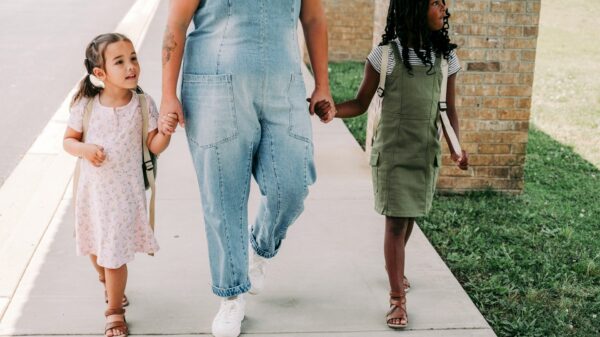





















Child development experts note that children thrive when they feel a sense of agency and inclusion. Instead of viewing the new baby as a disruption, children need to see the arrival as an expansion of their own world. By integrating simple, low-pressure rituals into your current routine, you can foster a protective and nurturing bond before the baby even arrives. Here are seven screen-free, high-impact strategies to help your child embrace their new role.
1. Curate a “First Meeting” Welcome Box
A welcome kit allows an older child to take ownership of the baby’s arrival. This isn’t just about a gift; it is about the child choosing what they believe the baby needs. This process shifts their perspective from “someone who is taking my space” to “someone I am responsible for welcoming.”
Action step: Find a quiet afternoon to decorate a small box. Ask your child, “What should the baby know about our family?” Include a drawing, a soft toy, or even a small item that represents a family hobby. This builds a sense of pride and anticipation.
2. Normalize New Routines Through Interactive Play
Children process complex emotions and new concepts through play. Using a doll or a stuffed animal to model “gentle hands” or how to wait while a diaper is changed helps the child practice patience in a low-stakes environment. This demystifies the baby’s presence and makes the upcoming changes feel familiar rather than foreign.
Action step: During playtime, narrate what you are doing with the “practice baby.” Use empowering language like, “You are going to be such a great helper at making the baby smile,” or “I love how you are showing the doll how we use gentle voices.”
3. Establish a Unique Family Identity
When a new baby arrives, older siblings can feel like their “team” is being reorganized. Reinforce their sense of belonging by creating a “Family Team” identity. Whether it’s a secret handshake or a special team name, these micro-rituals provide a sense of security and continuity during a season of change.
Action step: Brainstorm a “Team [Last Name]” motto or a simple three-step handshake (like a high-five followed by a fist bump). Practice this daily. Explain that the baby will join the team soon, but for now, it’s a special secret between the “big kids.”
4. Create a Personalized “Sibling Soundtrack”
The sound of a sibling’s voice can be incredibly soothing to a newborn, and the act of recording stories gives the older child a creative outlet. This activity emphasizes that their voice matters and has a calming influence on the family.
Action step: Use a simple recording app to let your child “read” their favorite picture books. They can describe the pictures or tell a story from memory. Play these recordings back to them so they can hear how great they sound, and explain that these will be the baby’s favorite songs to hear during naptime.
5. Revisit the Older Sibling’s Own “Baby Story”
Nostalgia is a powerful tool for building empathy. By looking at their own baby photos and videos, children realize that they once required the same level of care and attention they see the new baby receiving. It helps them move from a place of “Why does the baby get all the attention?” to “I remember when I was that small, too.”
Action step: Spend twenty minutes flipping through an old photo album. Tell stories about their first smile, their first outfit, and how excited everyone was to meet them. This reinforces their value and history within the family.
6. Use “Special Time” Tokens for One-on-One Connection
One of the greatest fears for a child is the loss of access to their parents. You can mitigate this by introducing the concept of “Protected Time.” Setting aside even ten minutes of undivided attention can refill a child’s emotional tank and reduce attention-seeking behaviors after the birth.
Action step: Create “Helper Tokens” or “Special Date Coupons” that the child can “cash in.” This gives them a sense of control. Even a quick trip to the mailbox or a ten-minute block of floor play without phones can make a child feel like the priority.
7. Design a “Big Sibling” Engagement Basket
The first few weeks with a newborn involve a lot of sitting—nursing, feeding, and rocking. To prevent the older child from feeling sidelined during these moments, create a special “Quiet-Time Basket” filled with novel, mess-free activities that only come out when the baby is being fed.
Action step: Fill a bin with magnetic tiles, reusable sticker pads, or new coloring books. Let your child help pick the items. When you sit down with the baby, say, “It’s time for our special quiet-time activities!” This turns a potentially lonely moment into a period of focused, independent play.
Closing Remark on This Transition
Preparing for a new addition is less about perfect execution and more about consistent connection. By validating your child’s feelings and giving them a concrete role in the family’s growth, you are doing more than just “getting ready” for a baby—you are building the foundation of a lifelong friendship between siblings. Focus on the small wins, stay patient through the regressions, and remember that your family is growing in love as much as it is in size.