




















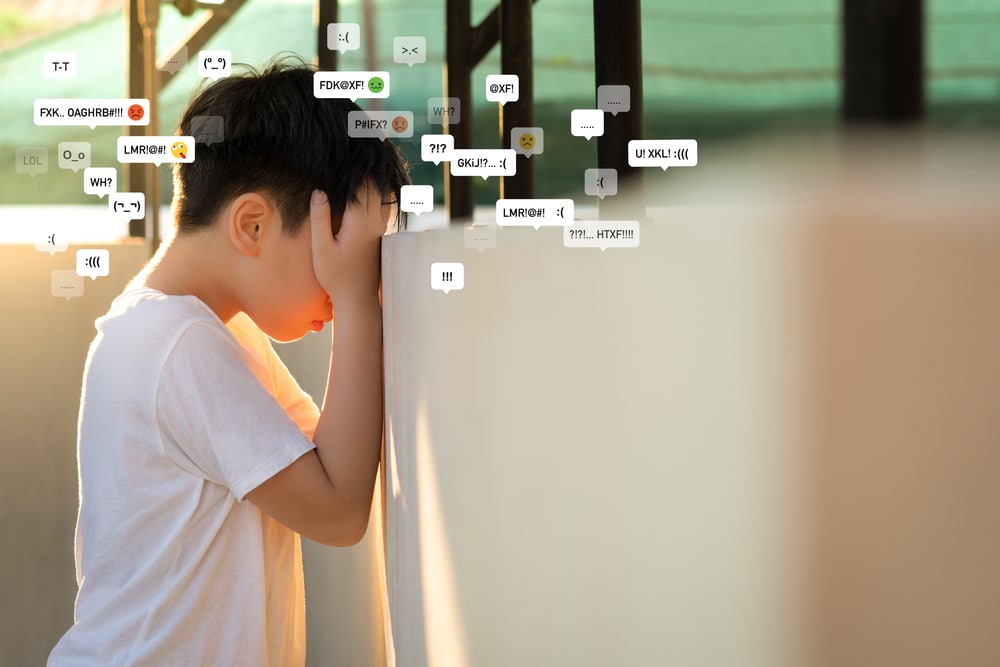
The Digital Handover: Why “Social Media Prep” Is the New Parenting Essential
Every modern parent eventually hits the same crossroads: the moment a child asks for their first smartphone. It is a milestone fraught with anxiety, not because of the technology itself, but because of the unregulated emotional landscape of the internet. How do you protect a child from the inevitable sting of a “dislike” or a harsh comment? One mother’s viral solution suggests that the best defense isn’t a restrictive app—it’s a proactive education in emotional intelligence.
Jamie Sea, a parenting creator on TikTok, has sparked a global conversation by launching what she calls a “Social Media Prep School” for her 11-year-old daughter. Rather than focusing solely on privacy settings and screen time limits, Sea is teaching her daughter how to process the human psychology behind digital interactions. Her goal is to build a foundation of self-worth that is “comment-proof” before her daughter ever creates a profile.
The logic is simple: by the time a child is navigating the complex social hierarchies of middle school, they are already vulnerable to external validation. Adding social media to the mix can be explosive. By treating digital literacy as a formal “prep school,” parents can arm their children with the mental filters needed to separate their identity from their online presence.
The Four Pillars of Digital Resilience
Sea’s curriculum focuses on four psychological concepts designed to help children understand that the internet is often a mirror, not a window.
1. **Filtering the Human Experience**
The first lesson teaches children that every person views the world through a filter of their own past experiences. If someone leaves a mean comment on a video, it isn’t a reflection of the content; it’s a reflection of the commenter’s mood, their insecurities, or even a bad day they had at school. Understanding this helps children realize that online vitriol is rarely “about them.”
2. **The Lens of Perspective**
Using the metaphor of “lens glasses,” Sea demonstrates how emotions like jealousy, hurt, or anger change how we interpret what we see. A peer might see a friend’s success and feel inspired, while another might see it through a lens of envy and react with a sharp remark. Teaching kids to identify these “lenses” helps them develop empathy for others while protecting their own peace.
3. **The Comment Mirror Reframe**
This is perhaps the most transformative tool in the kit. Sea encourages her daughter to view negative comments as a “mirror” reflecting the commenter’s internal dialogue. If a stranger says something unkind online, they are often projecting the very things they fear or dislike about themselves. This shift moves the child from a position of being a “victim” of a comment to being a “witness” to someone else’s internal struggle.
4. **Mastering Emotional Projection**
By identifying projection early, tweens can develop emotional resilience. This goes beyond the old “ignore them” advice. It gives children a cognitive framework to understand *why* people behave poorly online, which effectively strips those negative interactions of their power.
Why Proactive Training Trumps Reactive Discipline
Parenting experts, including clinical psychologist Dr. Laura Markham, have long advocated for this type of proactive engagement. In her guidance on digital responsibility, Dr. Markham emphasizes that a child’s first phone should come with a series of ongoing conversations rather than a single “lecture.”
The shift from being a “digital police officer” to a “digital mentor” is crucial. When parents focus on building emotional resilience, they are preparing the child for the road, rather than trying to pave the road for the child. This approach fosters a “responsible digital citizen” who understands that their digital footprint—and their reaction to others’ footprints—carries real-world weight.
Building Your Own Home-Based Prep School
The beauty of a “Social Media Prep School” is that it doesn’t require a degree in psychology. It requires presence and the willingness to turn everyday moments into “teachable beats.”
To start your own version at home, consider these strategies:
- **Focus on Small Chunks:** Don’t try to explain the entire internet in one afternoon. Focus on one concept, like “perspective,” for an entire week.
- **Use Gamification:** Use physical props like different colored sunglasses to represent different emotions or “lenses” through which we see social media posts.
- **Role-Play Scenarios:** Ask your child, “If you saw someone post a video of their new shoes and you were feeling sad because your shoes were old, what might your ‘filter’ tell you to say? How could we change that filter?”
- **Keep the Dialogue Open:** The goal is to ensure your child feels safe coming to you when they eventually *do* encounter something upsetting online, knowing you will help them “filter” it rather than simply taking the phone away.
Ultimately, Jamie Sea’s approach reminds us that the goal of parenting in the digital age isn’t just to keep kids off social media as long as possible, but to ensure that when they do arrive, they are the most grounded, self-aware versions of themselves. By investing in their internal world now, we protect their external world later.
Summary of Digital Empowerment
Preparing a child for social media is no longer just about “online safety” in the traditional sense of passwords and predators; it is about emotional safeguarding. By teaching concepts like the “comment mirror” and emotional projection, parents can help their children navigate the digital landscape with confidence. This proactive mentorship transforms the smartphone from a source of potential anxiety into a tool for connection, backed by a solid foundation of self-worth and psychological understanding.