




















Why this routine shocked parents
The digital parenting community is no stranger to “day in the life” content, but Emily Boazman’s recent viral video pushed the boundaries of the traditional family schedule. In a clip that has now reached millions, viewers watched a scene that felt like a fever dream to many: children cooking scrambled eggs at 9:30 p.m., followed by heatless hair styling at 11 p.m., and a collective midnight lights-out. For the average parent who views 7:30 p.m. as the holy grail of bedtimes, the footage was jarring.
The immediate reaction from many was a mix of confusion and concern. We are conditioned to believe that a “good parent” has their children tucked in and the house quiet long before the late-night news begins. However, the context here is vital: Emily’s family navigates life through homeschooling. Without the rigid constraints of a 7:00 a.m. school bus or a traditional morning bell, their “start time” is fluid. This lifestyle shift highlights a growing trend among modern families who are prioritizing biological rhythms and lifestyle flexibility over institutional benchmarks.
What experts say about irregular sleep schedules
When we peel back the layers of viral controversy, the science of sleep remains the most important factor. Pediatricians and sleep specialists generally agree that for children, the *quality* and *duration* of sleep are the primary drivers of brain development and emotional regulation. Research, including studies found in Infant Behavior and Development, suggests that while the specific hour on the clock is negotiable, the consistency of the routine is not. Children thrive on “anchor points”—signals that tell the brain it is time to transition from high energy to rest.
Biologically, our bodies are governed by the circadian rhythm. Melatonin, the hormone that facilitates sleep, typically begins to rise in the early evening. For toddlers, this surge often happens around 7:30 p.m., shifting later as they approach puberty. While homeschooling families often get more total sleep—about 50 minutes more on average, according to Behavioral Sleep Medicine—the challenge of a midnight bedtime lies in the “sleep window.” If a child misses their natural melatonin surge, they may experience a “second wind” of cortisol, which can lead to the very tantrums Emily’s video displayed. The takeaway from experts isn’t necessarily that late is “bad,” but that any schedule must account for the child’s internal biological clock to prevent long-term exhaustion.
Instagram weighs in: Chaos or culture?
The comment section of Emily’s post became a fascinating microcosm of modern parenting philosophies. On one side, critics argued that a midnight bedtime is a disservice to a child’s development, citing concerns over digestion, growth hormone release, and the “real world” expectations they will eventually face. Many parents felt that a 9:00 p.m. dinner is too heavy for a child’s system and that the late-night activity resembled chaos rather than a curated routine.
On the other side of the debate, a more global and flexible perspective emerged. In many cultures—particularly in Southern Europe, the Middle East, and parts of Latin America—children commonly stay up late to participate in family dinners and social gatherings. For these families, the “7 p.m. bedtime” is a Western construct that prioritizes adult productivity over family integration. Supporters of Emily’s “night owl” approach argue that if the kids are obtaining their 9–12 hours of rest and waking up refreshed, the actual timing is secondary to the quality of the family bond.
How to balance flexibility with consistency
As a parenting expert, I believe the “right” routine is the one that allows your family to function without chronic stress or sleep deprivation. If you find yourself gravitating toward a more flexible evening schedule, there are ways to ensure it remains healthy:
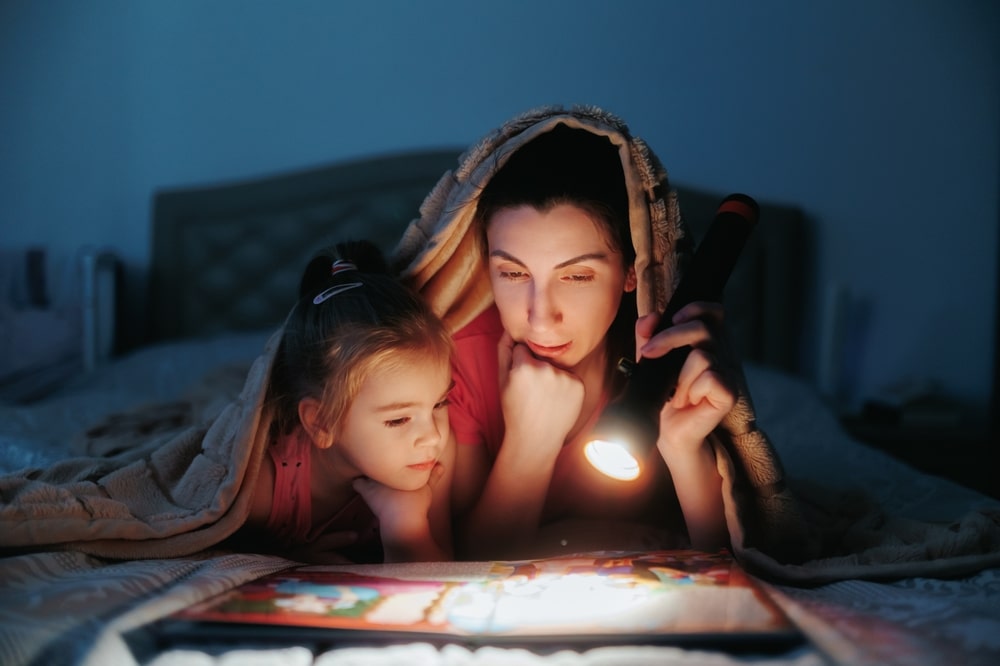
- Focus on the Sequence, Not the Clock: The human brain loves patterns. Even if bedtime is at 11 p.m., the sequence should remain the same—dimming lights, a warm bath, or reading together. This “habit stacking” prepares the nervous system for sleep regardless of the hour.
- Monitor Mood and Behavior: If your children are waking up irritable, struggling to focus, or having frequent meltdowns, it is a sign that their current sleep window isn’t meeting their biological needs. Flexibility should never come at the cost of emotional stability.
- Manage Stimulation: Activity at night, like cooking or styling hair, can be a great bonding moment, but be mindful of “blue light” and high-energy tasks. Transitioning into “quiet mode” an hour before sleep helps the brain produce the necessary melatonin for a deep, restorative rest.
Ultimately, Emily Boazman’s routine serves as a reminder that parenting is not one-size-fits-all. While the “night owl” lifestyle isn’t sustainable for families tied to traditional school hours, it offers a glimpse into a different way of living where the clock is a tool, not a master. Whether your house goes dark at 8 p.m. or midnight, the goal remains the same: nurturing healthy, well-rested children who feel secure in their family’s unique rhythm. Consistently meeting a child’s need for rest—in whatever time zone your family operates—is the true hallmark of a successful routine.