




















The daily rhythm of life with a newborn or toddler can often feel like a marathon with no finish line. Between the repetitive cycles of feeding, soothing, and cleaning, many parents find themselves operating on autopilot, with personal time becoming a distant memory. However, the secret to a more manageable home life doesn’t lie in complex parenting philosophies, but in the implementation of “frictionless” systems. By choosing tools that simplify repetitive tasks, you can reduce your mental load and carve out small pockets of peace.
The following list highlights twelve strategic additions to your home that focus on safety, efficiency, and reclaiming your time.
1. A non-Wi-Fi baby monitor for straightforward, private checks
While smart home technology is popular, many parents are returning to “closed-loop” monitors that do not connect to the internet. The primary benefit is twofold: security and reliability. Wi-Fi-dependent monitors are susceptible to signal drops or hacking risks, whereas a dedicated local-signal monitor works even if your internet goes out. It provides a lag-free, private peek into the nursery, allowing you to focus on a book or a meal without constantly refreshing an app.
Try it tonight: Mount the camera to get a clear view of the entire crib surface, ensuring the power cord is secured well away from the baby’s reach. Use the “vox” or power-save mode so the screen only wakes up when it detects sound, preserving the battery for long evening stretches.
2. A sound machine that promotes safe sleep
A consistent auditory environment is one of the strongest sleep cues you can provide a child. A dedicated sound machine creates a “buffer” against the sudden noises of a living household—barking dogs, clinking dishes, or older siblings. It mimics the constant whooshing sound of the womb, which is naturally comforting to infants.
Try it tonight: Place the device at least several feet away from the crib and set it to a moderate volume (similar to a soft shower). Consistency is key; use the same white noise or pink noise setting for every sleep session to help wire your baby’s brain for rest as soon as the machine clicks on.
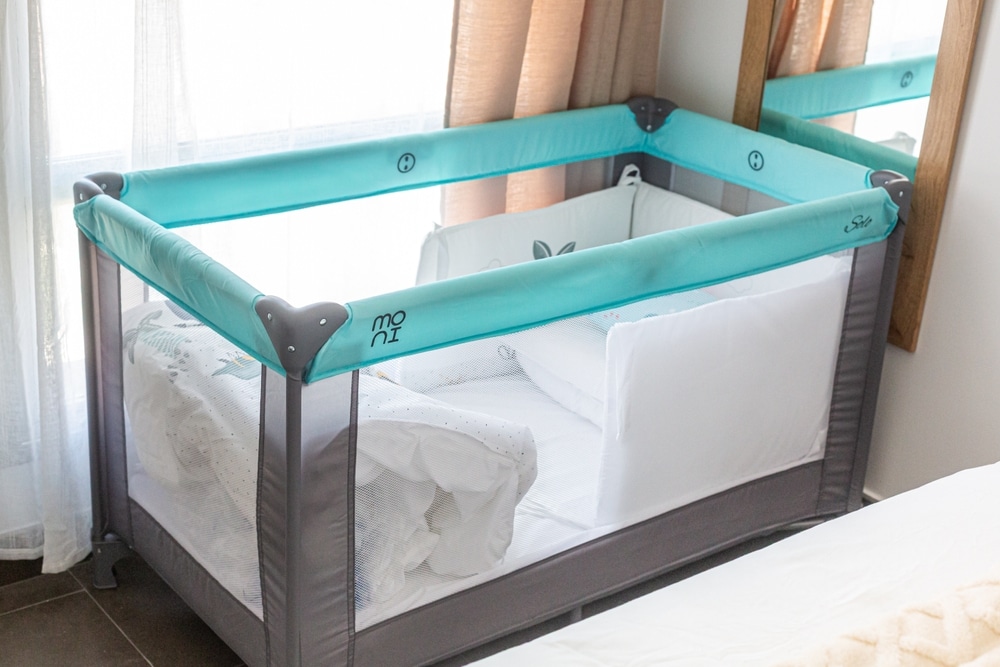
3. A travel crib or play yard as a safe play area
Safety standards emphasize that babies should sleep on a firm, flat, and clear surface. A high-quality travel crib serves as both a portable sleep solution and a “safe zone” for when you need to step away to answer the door or prep a meal. Having a designated space where you know your child cannot access cords or small objects provides immense mental relief.
Try it tonight: Position the play yard in a central location, like the living room or kitchen. Keep it stocked with a few age-appropriate, safe toys to encourage independent play. If using it for sleep, ensure there are no loose blankets or pillows, keeping the space as minimalist as possible.
4. An ergonomic baby carrier suitable for all caregivers
“Babywearing” is a game-changer for parents who need to stay productive. An ergonomic carrier supports the baby’s hip development (keeping knees in an “M” shape) while distributing the weight across the wearer’s shoulders and waist. This allows you to handle light chores or go for a walk while your baby enjoys the “fourth trimester” closeness they crave.
Try it tonight: Practice adjusting the straps to your specific frame before putting the baby in. Ensure the baby is “close enough to kiss” and their chin is off their chest to maintain a clear airway. Sharing the carrier settings with your partner makes it easier for both of you to share the load of “the witching hour.”
5. A truly hands-free wearable pump
For breastfeeding parents, the traditional “tethered” pump can feel like a cage. Wearable, in-bra pumps allow you to maintain your milk supply while actually moving through your day. Whether you are folding laundry or playing with an older child, removing the cords removes a significant barrier to long-term pumping goals.
Try it tonight: Create a “pumping station” caddy. Instead of being stuck in one chair, use your wearable pump while completing a low-energy task, like setting out clothes for tomorrow. This helps reframe pumping from a “chore” into a background activity.
6. A sterilizer-and-dryer for efficient bottle care
The most tedious part of bottle or pump part maintenance isn’t the washing—it’s the drying. Items often sit on a counter rack for hours, staying damp and taking up space. A combined sterilizer and dryer uses high-heat steam to kill bacteria and then immediately follows with a heated drying cycle, leaving parts bone-dry and ready to use in under an hour.
Try it tonight: Make it a habit to load the sterilizer right after the final feeding of the day. By the time you wake up, everything is sanitized and dry, preventing that early morning scramble for a clean nipple or flange.
7. A bottle brush that tackles the tiniest spaces
Bio-film and milk residue can hide in the crevices of bottle nipples and anti-colic vents. A standard sponge often misses these areas. A high-quality brush with a dedicated “detail tip” ensures every corner is scrubbed, which is vital for preventing the growth of bacteria that can cause stomach upset.
Try it tonight: Assign a specific color brush to pump parts and another to bottles to avoid cross-contamination. Use a dedicated basin for soaking parts in warm, soapy water before scrubbing, which helps loosen stubborn milk proteins.
8. An easy-clean high chair
As babies transition to solids, the high chair becomes the epicenter of a new kind of chaos. Many high chairs have fabric inserts that require constant laundering. Choosing a sleek, plastic or wood model with a removable, dishwasher-safe tray and no-cranny straps can save you twenty minutes of cleaning every day.
Try it tonight: If your child is wobbling, ensure the chair has a proper footrest to help them feel secure and focused on eating. Keep a “mess kit” nearby with a silicone bib and a damp microfiber cloth to handle spills immediately before they dry and become difficult to remove.
9. A steel diaper pail with regular trash bags
Odor control is a top priority in any nursery. While plastic pails can absorb smells over time, steel pails provide a much better seal against odors. Perhaps most importantly, choosing a model that uses standard kitchen trash bags—rather than expensive, proprietary refills—saves significant money over the years.
Try it tonight: To keep the air even fresher, place a small charcoal deodorizer or a sprinkle of baking soda at the bottom of the pail. Empty it as part of your “evening reset” so you aren’t greeted by a full pail during the first diaper change of the morning.
10. A rolling utility cart for a mobile changing station
Nursery furniture is great, but life often happens in the living room or the bedroom. A three-tier rolling cart allows you to bring the “changing table” to wherever you are. It keeps diapers, wipes, creams, and a change of clothes organized and accessible, preventing the need to run across the house while balancing a baby.
Try it tonight: Organize the tiers by frequency of use. Top tier: diapers and wipes. Middle tier: burp cloths and extra onesies. Bottom tier: a few distraction toys or a backup nursing cover. This “station on wheels” is especially helpful for parents recovering from a C-section who need to minimize stairs.
11. A reliable robot vacuum for effortless floor care
When a baby starts crawling, the cleanliness of the floor becomes a health priority. A robot vacuum can be scheduled to run at night or while you are out for a walk, handling the daily dust, hair, and crumbs that inevitably accumulate. It is one of the few ways to “delegate” a household chore to a machine.
Try it tonight: Do a “30-second sweep” of the floor to pick up loose socks or small toys that might tangle the vacuum. Set the schedule for a time when the noise won’t interfere with naps, allowing you to wake up to freshly vacuumed floors every morning.
12. A fragrance-free stain remover for baby laundry
Baby stains—from spit-up to “blowouts”—are notoriously difficult once they set. A gentle, enzyme-based stain remover is essential for preserving baby clothes. Choosing a fragrance-free version ensures you aren’t introducing harsh chemicals to a baby’s sensitive skin while still effectively breaking down organic proteins.
Try it tonight: Keep a spray bottle directly next to the laundry hamper. Treating a stain the moment the garment is removed significantly increases the chance of it coming out in the wash. This small habit saves money by extending the life of your baby’s wardrobe.
At its core, parenting is a series of transitions and adaptations. While no product can replace the presence and love of a caregiver, the right tools act as a support system that manages the “noise” of daily life. By optimizing your environment, you aren’t just buying gadgets; you are buying back your energy and attention, allowing you to focus on the moments that truly matter. Choose one or two areas that cause the most stress in your current routine and start there—you deserve a home that works with you, not against you.