


















There is a specific brand of shock that occurs a few days after childbirth when you realize your body has begun operating under a completely new set of rules—rules you weren’t consulted on. For many mothers, that realization comes during a simple walk across the room that ends in a soaked pair of leggings. We often dismiss these moments as “birth aftermath,” a temporary glitch in the system. But for a staggering number of women, the “glitch” becomes a permanent roommate.
Whether it is the “sneeze and squeeze” maneuver or the strategic bathroom trip before any physical activity, we have become experts at navigating life around a compromised pelvic floor. Even years after our youngest child has left the toddler stage, many of us still treat jumping jacks like a high-stakes gamble. We’ve normalized it to the point of comedy, sharing knowing glances in fitness classes or wearing dark colors “just in case.” While humor is a great coping mechanism, it shouldn’t be the only solution available to us.
According to health experts and founders like Lauren Barker of Uresta, this normalization is actually a barrier to care. Statistics show that one in three women deal with urinary incontinence within the first year of motherhood, a number that jumps to 50% as we approach menopause. Despite how common it is, the medical community often skips over the topic. It isn’t life-threatening, so it gets categorized as a “quality of life” issue—as if being able to walk, run, or laugh without fear isn’t a fundamental part of living.
Current options often leave much to be desired. While pelvic floor physical therapy is a gold standard, it is frequently under-prescribed in North America compared to European counterparts. On the other end of the spectrum are prescription pessaries, which often require invasive fittings and have low long-term retention rates. This leaves a massive gap for women who want to stay active without constant worry.
What is Uresta?
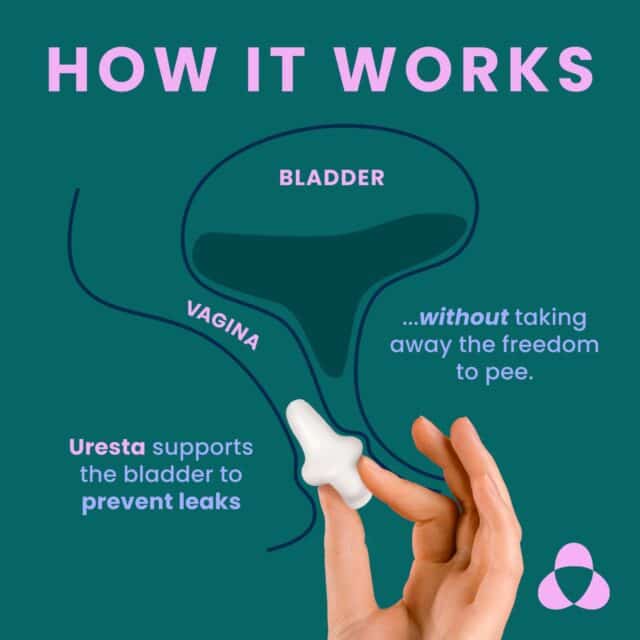
Uresta represents a shift in how we handle stress urinary incontinence. Rather than a “plug” or a disposable pad, it functions more like a “bra for your bladder.” It is a reusable, FDA-approved device that you can fit yourself at home. By sitting just under the urethra, the bell-shaped design provides the necessary counter-pressure to stop leaks during high-impact moments—like sneezing, coughing, or jumping—without preventing you from using the bathroom normally while it’s in place.
The system is designed with a “starter kit” approach, acknowledging that every woman’s anatomy is different. It comes in multiple sizes to ensure a proper fit. The goal is simple: the device should be internal enough to be unnoticeable, clearing the pubic bone to stay nestled securely. Once you find your size, it becomes an invisible tool in your fitness kit.
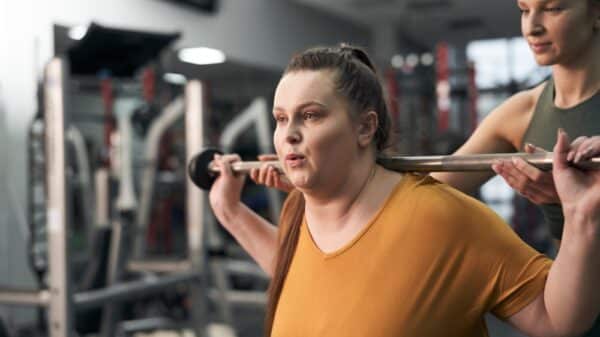
For those who are already comfortable with products like menstrual cups, the transition to using a bladder support device is intuitive. Made from firm, medical-grade resin, it is non-absorbent and easy to clean. During high-intensity workouts—the kind involving trampolines or heavy lifting—it provides a level of security that pads simply cannot match. Many women find that once the physical fear of leaking is removed, they realize just how much they had been limiting their own movements and lifestyle.
It is important to note that while this device manages symptoms, it isn’t a replacement for pelvic floor strengthening. It doesn’t “cure” the underlying weakness, but it does prevent the leaks from dictating your schedule. It allows women to return to the activities they love—whether that’s a HIIT class or playing with their kids—without the “bathroom mapping” that usually accompanies a day out.
Frequently asked questions about Uresta
Is Uresta FDA approved?
Yes. It stands as the only reusable, over-the-counter bladder support device currently FDA-approved in the United States. This status allows women to take control of their pelvic health without needing a prescription or undergoing an invasive clinical fitting process.
How much does Uresta cost?
The starter kit, which includes three sizes to help you find the perfect fit, is priced at $65. Because it is a medical device, it is typically eligible for reimbursement through Flexible Spending Accounts (FSA) and Health Savings Accounts (HSA). While the device is reusable, it is recommended to replace it annually to ensure the material maintains its integrity and support.
Can you use Uresta postpartum?
Absolutely. In fact, the postpartum period is one of the most vital times for this kind of support. It is worth noting that your sizing needs may evolve as your body heals. Hormonal shifts, particularly the drop in estrogen during breastfeeding, can impact tissue elasticity and leak frequency. The company typically offers a size-exchange program to accommodate these physical changes as you recover.
In summary, while we have been taught to accept bladder leaks as an inevitable tax on motherhood and aging, we don’t have to. Innovative solutions like Uresta provide a bridge between “suffering in silence” and more invasive medical interventions, giving women the freedom to jump, run, and live without restriction.