



















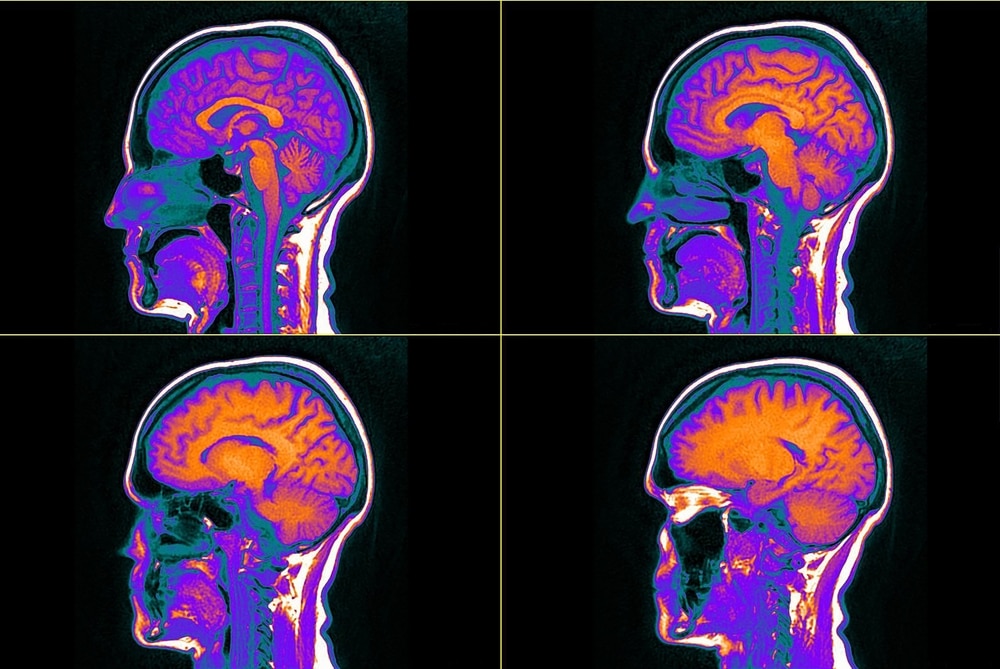
Latest research and scans show eminent changes in the human brain during a woman’s pregnancy and the time after that. Scientists have examined 26 scans of a 38-year-old woman’s brain and found “remarkable things” changes, as reported by BBC. They noticed these changes, which remained evident even after two years of giving birth, in the areas associated with her socializing and emotional processing.
Pregnancy brain is a real thing, as shown by detailed mapping
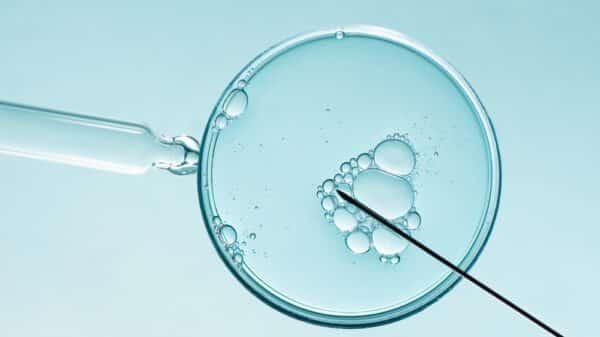
Detailed mapping and scans of the pregnancy brain have confirmed it does exist and accompany the many physical changes the human body experiences. Unlike previous studies that focus on the before and after of a woman’s pregnancy, scientist Elizabeth Chrastil from the University of California studied her own brain after getting an IVF (in-vitro fertilization). Chrastil’s examination pivoted on the changes her brain experienced throughout the pregnancy and after that. She then compared these findings with those of non-pregnant women.
Dr. Elizabeth Chrastil said it was a “little strange to see your own brain changing like this.” In her pregnancy brain scans, she found a 4% reduction in the volume of grey matter – a tissue that controls movement, emotions, and memory. This occurred in about 80% of her brain and explains why several women said they experienced forgetfulness, were absent-minded, or had brain fog during their pregnancies.
In addition to this, Dr. Chrastil noticed an increase in her brain’s white matter integrity. This measures the individual’s health and the quality of connections between the regions within the brain. This change was evident during the first and second trimesters and bounced back to its normal levels shortly after she gave birth.
Researchers state that the changes they observed in pregnancy brain scans are similar to those experienced during puberty. While Dr. Elizabeth Chrastil claims she did not personally experience a “mommy brain,” she confirmed feeling more tired and emotional during her third trimester.
Dr. Chrastil was only planning an IVF when they began the research. Her son is now four years old.