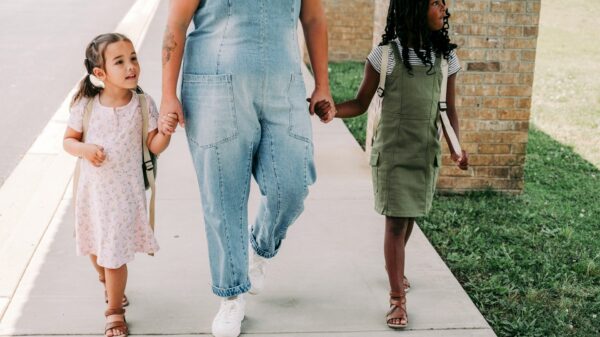















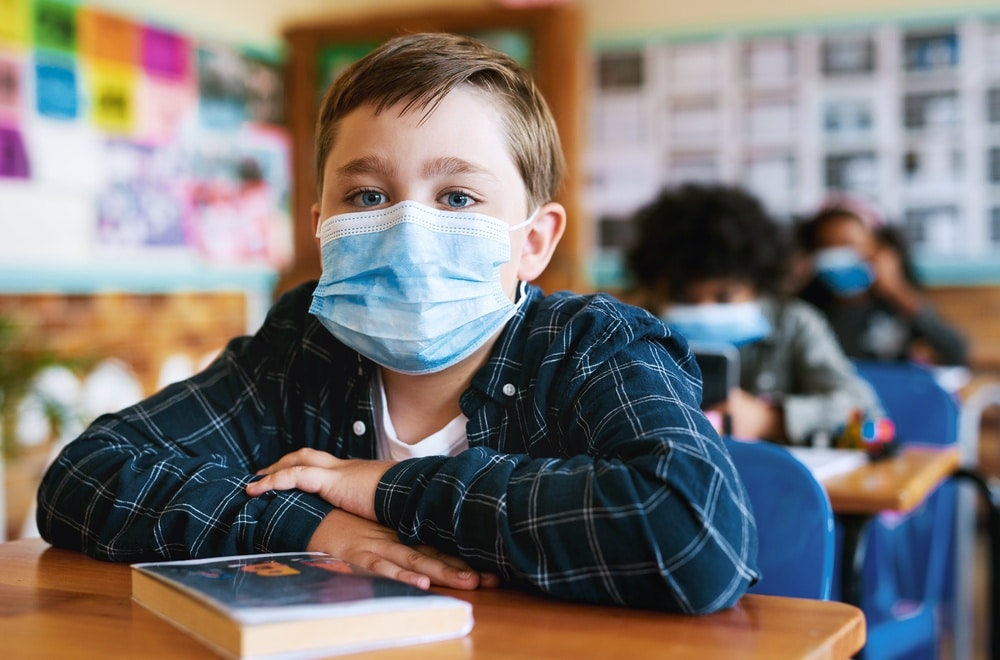
Every parent knows the rhythm of September. The initial excitement of new backpacks and sharpened pencils quickly gives way to the inevitable: the first “back-to-school” cold. It’s like a baton being passed in a slow-motion relay race from the classroom to your living room. Research supports this household frustration, suggesting that roughly 30 to 40 percent of flu transmission occurs right inside the four walls of our homes, with children serving as the primary couriers.
To find a realistic way to manage this seasonal onslaught, we looked to the expertise of Dr. Jen Caudle, a board-certified family physician and professor at Rowan University. Dr. Caudle, a familiar face on the TODAY Show and various news networks, offers a perspective that is more about practical management than obsessive sterilization. Her most important takeaway? You can’t build a bubble around your child. In fact, the average child may catch up to six colds a year. However, you can certainly make your home a less welcoming environment for the pathogens they drag through the front door.
Where back-to-school germs enter your house
Germs don’t just appear; they are imported. The most critical point of entry is the transition from the sidewalk to your carpet. According to a landmark study from the University of Arizona, the average shoe sole is a microscopic ecosystem carrying approximately 421,000 bacteria. When your kids charge into the house, those first few steps across the foyer represent the highest concentration of external contaminants in your entire home.
Dr. Caudle suggests a remarkably low-tech solution: a strict “no-shoes” policy. By establishing a landing zone for footwear right at the entrance, you create a physical barrier that prevents outdoor pollutants from reaching the areas where your children crawl, play, and occasionally drop their snacks. While infectious disease experts note that shoe-borne germs rarely lead to direct illness, treating the doorway as a “decontamination zone” acts as a simple, free insurance policy for your peace of mind.
The germiest room in your house is the kitchen
Most parents instinctively scrub the bathroom when a bug is going around, but data from the National Sanitation Foundation reveals a different culprit. The kitchen is consistently ranked as the germiest room in the house. While we expect the bathroom faucet to be dirty, it actually pales in comparison to the kitchen sponge—which frequently tests positive for coliform bacteria at much higher rates.
Dr. Caudle advises shifting your focus to the “school-to-table” pipeline. This means prioritizing surfaces where kids eat and dump their belongings. Beyond the obvious countertops and light switches, there is a “forgotten list” of high-touch items: lunchbox zippers, water bottle lids, backpack straps, and the favorite stuffed animal that went to show-and-tell. A quick daily wipe-down of these items can interrupt the cycle of re-contamination without requiring a full-scale deep clean of the house.
How to get kids to wash their hands
Handwashing is the gold standard of illness prevention, yet it’s the hardest habit to enforce with a distracted child. Dr. Caudle recommends moving away from lectures and toward observable goals. Telling a child to “wash for 20 seconds” is abstract; telling them to “wash until all the bubbles disappear” or “sing the chorus of your favorite song twice” provides a concrete finish line they can understand.
The key is making the habit automatic through “stacking.” Just as they know shoes stay at the door, the next immediate step must be the sink. “Backpack down, hands washed, then snack,” Dr. Caudle suggests. By making the snack the “reward” for the handwashing, you remove the power struggle. While hand sanitizer is a great bridge for the car ride home, nothing beats the friction of soap and water for removing the actual dirt and grime of a playground day.
The part to keep in mind
Ultimately, parenting is not a hygiene competition. Even with the best protocols, kids will get sick. Their immune systems are essentially in “training mode,” learning how to recognize and fight off common viruses. Dr. Caudle reminds parents that a positive COVID test or a seasonal flu isn’t a reflection of your cleaning habits; it’s a reflection of being part of a community. By focusing on high-impact areas like the entryway, the kitchen, and consistent handwashing, you can reduce the viral load in your home and help your family bounce back faster. Control what you can, let go of the rest, and keep the tissues handy—this too shall pass.