

















When we think about the goal of exercise, many of us default to a specific clothing size or a target number on the bathroom scale. However, for those of us navigating the complexities of parenthood, the real purpose of movement is far more profound. It is about building the physical strength and mental resilience required to be fully present for our children, our partners, and our own personal ambitions.
Regular physical activity offers a multi-layered shield for our health. Here is a snapshot of the seven foundational benefits that come with a consistent movement practice:
- Mental Sharpness: Reducing the “brain fog” of parenting while lowering anxiety.
- Cardiovascular Resilience: Actively lowering blood pressure and protecting your heart.
- Vitality and Weight Stability: Improving metabolic health and daily energy levels.
- Skeletal Integrity: Building bone density to prevent future muscle and bone loss.
- Restorative Sleep: Supporting deeper rest and enhancing physical intimacy.
- Community and Joy: Breaking the isolation of parenthood through social movement.
- Generational Health: Demonstrating to our children that wellness is a lifelong priority.
The global statistics are a wake-up call. The World Health Organization notes that nearly 1.8 billion adults are not meeting physical activity guidelines. This inactivity isn’t just about fitness; it carries a 20–30% higher risk of premature death. The encouraging reality, however, is that you don’t need to spend hours in the gym to see a change. Even five-minute bursts of activity offer immediate benefits. By aiming for 150 minutes of moderate activity per week—roughly 22 minutes a day—you significantly lower your risk for chronic conditions like diabetes and heart disease.
Defining the Ultimate Goal of Exercise for Busy Moms
For the modern parent, the goal of exercise must shift from “survival mode” to “vitality mode.” We live in an increasingly sedentary culture where 31% of adults and 80% of teenagers fall short of the movement they need to thrive. This lack of activity isn’t just a personal struggle; it’s a public health crisis that costs billions annually.
As parents, we often put our own well-being at the bottom of the to-do list. But prioritizing movement is an act of disease prevention that keeps us in the game longer. When we focus on how we function—managing blood sugar, improving insulin sensitivity, and boosting mood—rather than just how we look, we build a relationship with fitness that actually lasts. It becomes less about “fixing” ourselves and more about fueling ourselves.
1. Mental Clarity and “Momxiety” Relief
The term “Momxiety” isn’t just a catchy phrase; it describes the very real tension many parents feel daily. One of the most immediate benefits of exercise is its ability to clear the “mom fog.” Physical activity triggers the release of endorphins and brain-derived proteins that literally improve the structure of your brain.
Research indicates that a single session of moderate exercise can provide a near-instant reduction in short-term anxiety. In the long term, staying active protects your cognitive functions—thinking, learning, and judgment—as you age. In many ways, a ten-minute brisk walk is the most effective “reset button” available to a stressed parent, and it doesn’t cost a dime.
2. Heart Health and Disease Prevention
Our hearts are the engines that power our families. Cardiovascular disease remains a significant threat, but the goal of exercise offers a powerful defense. Moving your body increases “good” HDL cholesterol and lowers unhealthy triglycerides, which prevents the buildup of plaque in your arteries.
The impact of small changes is staggering. It is estimated that if adults over 40 increased their activity by just 10 minutes a day, over 110,000 deaths could be prevented annually. Furthermore, those who combine aerobic exercise with strength training are significantly less likely to succumb to infectious diseases. A strong heart provides the stamina needed to keep up with active toddlers or the demands of a growing business.
3. Sustainable Weight Management and Energy
It feels like a paradox: you’re too tired to work out, yet working out is exactly what gives you more energy. Science proves that regular movement improves muscle strength and cardiovascular efficiency, delivering more oxygen to your tissues. This means you have more “gas in the tank” for daily chores and family activities.
When it comes to weight, exercise is the gold standard for maintenance. While diet is key for initial loss, movement prevents the weight from returning. To maintain a healthy weight long-term, many experts suggest working toward a higher volume of activity—up to 300 minutes per week.
| Activity Type | Intensity Level | Examples |
|---|---|---|
| Aerobic | Moderate | Brisk walking, water aerobics, dancing |
| Aerobic | Vigorous | Running, swimming laps, HIIT workouts |
| Strength | Moderate to High | Weights, resistance bands, heavy yard work |
4. Bone Strength and Longevity
For women especially, the goal of exercise must include protecting bone density. Osteoporosis is a “silent” risk as we age, but weight-bearing activities like hiking, dancing, or walking help build a “bone bank.” These activities force the body to work against gravity, which stimulates bone growth.
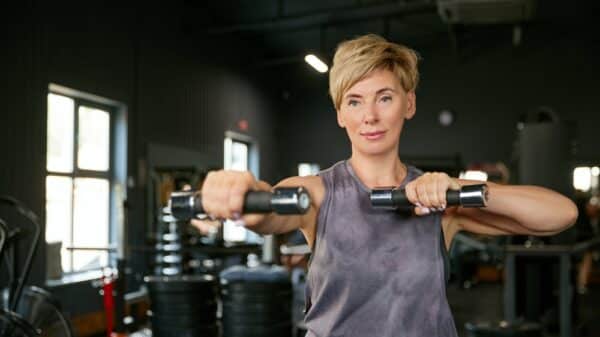
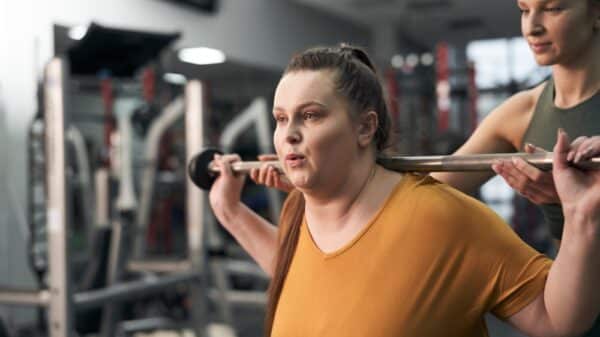
Strength training is equally vital. It isn’t about becoming a bodybuilder; it’s about supporting your joints and preventing the falls that often lead to injury later in life. Just two sessions of resistance training a week, targeting major muscle groups, can drastically improve your long-term independence and physical resilience.
5. Better Sleep and Improved Intimacy
Exhausted but unable to sleep? Exercise helps regulate your circadian rhythm, allowing you to fall asleep faster and reach deeper stages of rest. Just be mindful of the timing—vigorous exercise late at night can sometimes be too stimulating for some people.
Beyond sleep, physical activity can revitalize your personal relationships. For women, regular movement can enhance physical arousal, and for men, it reduces the risk of erectile dysfunction. The combination of increased energy and improved body confidence is a natural booster for intimacy, helping you feel more connected and empowered in your physical self.
6. Social Connection and Fun
Parenthood can occasionally feel isolating. Incorporating a social element into your exercise routine—like a local walking group or a yoga class—combats this loneliness. When we move with others, exercise stops being a chore and starts being a social outlet.
You can also find joy in “active volunteering,” such as walking dogs at a shelter or participating in a community park cleanup. Research shows that if you enjoy the activity, you are much more likely to stick with it. Find a community that makes you feel welcome, and the physical benefits will follow naturally.
7. Setting a Healthy Example for Kids
Our children learn more from what we do than what we say. With 81% of adolescents failing to meet activity guidelines, our role as active models is critical. When children see their parents prioritizing their health, they view movement as a normal, enjoyable part of life rather than a burden.
Family fitness can be as simple as a post-dinner walk, a bike ride, or a game of tag in the backyard. These moments aren’t just about “burning calories”—they are about building your child’s motor skills, bone density, and creating a family culture centered on wellness.
How to Start Your Journey Safely
If you haven’t been active in a while, don’t feel pressured to start with a marathon. The most effective approach is to start small. Walking is the most accessible, low-impact way to begin. You can break your activity into three 10-minute “mini-walks” throughout the day. The secret is to establish the habit of showing up for yourself first; once the habit is solid, you can increase the challenge.
Setting a Personal Goal of Exercise
Use SMART goals to keep yourself on track: Specific, Measurable, Achievable, Relevant, and Time-bound. Instead of a vague goal like “I want to be more active,” try “I will take a 15-minute walk after lunch on Monday, Wednesday, and Friday.” Tracking your progress in a journal or on an app can provide a powerful sense of accomplishment as you see your consistency grow over time.
Adjusting the Goal of Exercise During Pregnancy
During pregnancy, the goal of exercise is to support your changing body and prepare for the physical demands of labor. Most women can and should continue to stay active, focusing on low-impact movements like prenatal yoga, swimming, and walking. These activities can help alleviate common issues like back pain and swelling while boosting your mood. Always consult with your healthcare provider to tailor a plan that is safe for you and your baby.
Frequently Asked Questions about the Goal of Exercise
How much exercise do I really need each week?
For most adults, the standard target is 150 minutes of moderate-intensity aerobic activity per week, paired with two days of muscle-strengthening exercises. If your workouts are higher intensity, such as running or spinning, you can aim for 75 minutes per week.
Can I see benefits from just 10 minutes of activity?
Yes. Current research shows that even 10-minute blocks of moderate-to-vigorous activity provide significant health benefits. It all counts toward your weekly total, and even small amounts can lower your risk of chronic disease and improve your mood.
What is the best type of exercise for beginners?
Brisk walking is arguably the best starting point. It requires no special equipment, can be done anywhere, and is gentle on your joints. As you build stamina, you can gradually introduce bodyweight exercises like squats or stretches to improve your strength and flexibility.
Closing Remarks on Reclaiming Your Health
As parents, we often feel that taking time for ourselves is a luxury we can’t afford. In reality, prioritizing your health is a necessity that allows you to be the best version of yourself for your family. The true goal of exercise isn’t about reaching perfection; it’s about the steady progress of feeling stronger and more capable every day. Whether it’s a quick walk to clear your mind or a weekend bike ride with the kids, every movement is an investment in your future. Start where you are, be patient with your progress, and remember that by taking care of yourself, you are taking care of everyone who relies on you.